


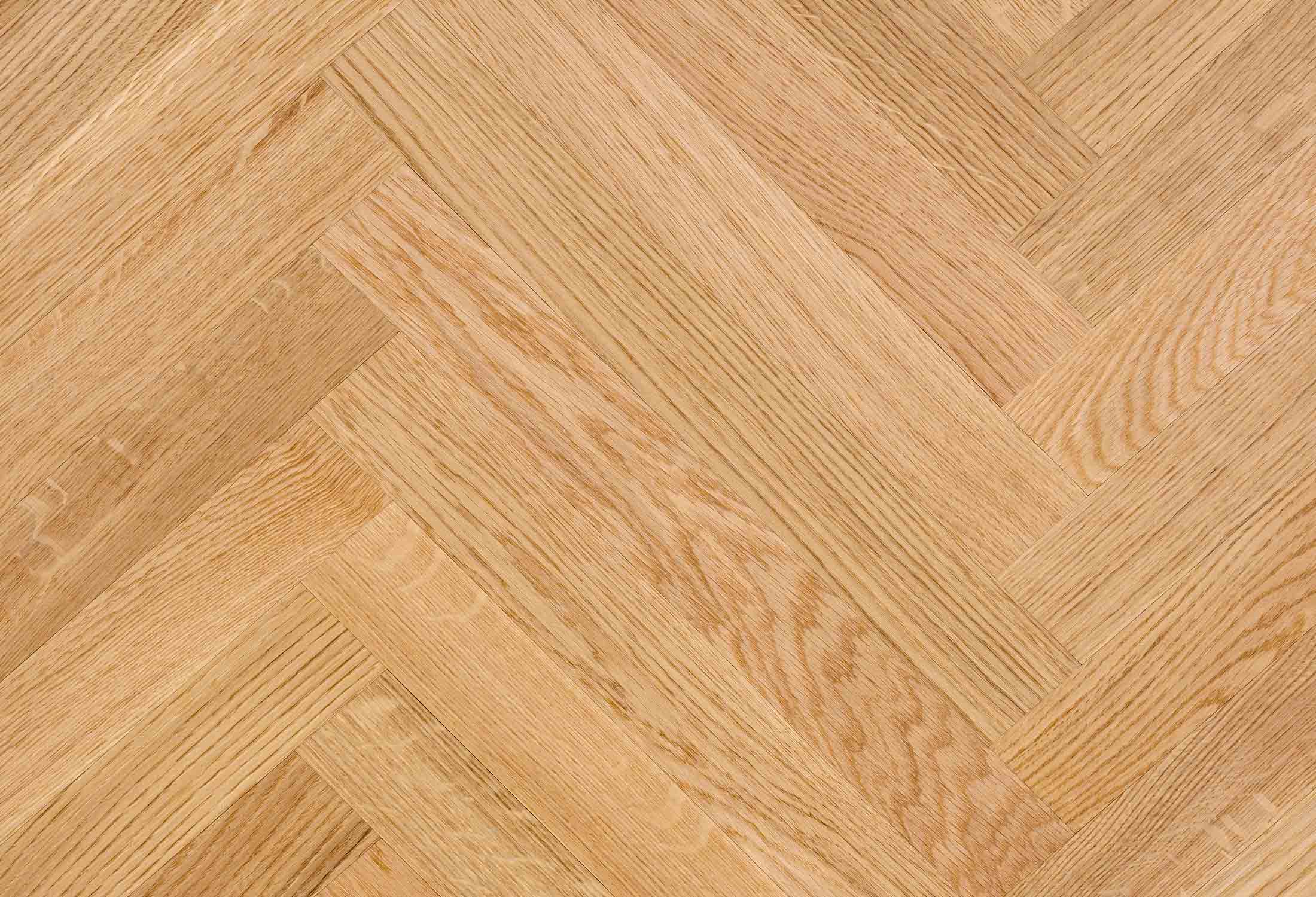





Acclimatising timber before it goes down
Boards delivered from a dry warehouse into a damp villa will move after they are fixed. Waiting is cheaper than fixing.
Timber reaches equilibrium with the air around it. Boards stored in a dry warehouse and delivered into a Wellington house in August are going to take up moisture, swell, and do it whether they are stacked in the hallway or nailed to your joists.
Doing it before they are fixed is free. Doing it afterwards means gaps, cupping or buckling.
How long
Manufacturers commonly say a few days. In practice it depends on how far apart the timber and the house are to start with, and on the timber itself.
A week is a reasonable minimum for engineered board. Solid timber, particularly wide boards or a dense species, wants longer, and two weeks is not excessive. Kwila and other dense imported hardwoods take longer than rimu.
The honest answer is that time is not the measurement. Moisture content is.
Doing it properly
Break the packs open and sticker the boards so air reaches all faces. Timber left banded in its packaging acclimatises at the rate of the outside boards only, and the middle of the pack does nothing.
Lay it out in the room it will be installed in, not the garage. The garage is a different environment from your lounge, and acclimatising to the wrong conditions is the same as not acclimatising.
The house needs to be at its normal running condition. That means the building closed in, glazing done, wet trades finished and dried out, and the heating running as it will in use. Acclimatising timber in a house that still has plaster drying in it gives you a false reading.
Measuring rather than guessing
A pin moisture meter on several boards and on the subfloor tells you where things sit. The number that matters is the difference between the two rather than either on its own, and the target is generally within about two per cent of each other.
That reading is what tells you the floor is ready, and it is worth the ten minutes.
Why Wellington makes it worse
A villa with an open subfloor sits at a different humidity from a modern insulated house, and both swing seasonally. A floor acclimatised and laid in February in a dry spell will find itself in a much damper building by July.
The gap allowance around the perimeter matters for exactly this reason. Every timber floor needs an expansion gap at the walls, hidden under the skirting or a scotia, and on a wide board floor in a variable climate that gap needs to be generous. Floors that buckle almost always turn out to have been fixed hard against a wall.
The cost of rushing
Where a project is running late, the floor is often the thing squeezed, because the boards are on site and the installer is available.
A floor laid too early costs the price of the floor again. If the programme has slipped, moving the flooring date is a better decision than moving the acclimatisation window, and we will say so even when it is unwelcome.