






Carpet or timber in a Wellington rental
The calculation is cost per year and what happens between tenancies, not what looks best on the day.
Landlords ask this often, and the answer usually goes differently from an owner occupier’s.
The cost that matters is per year
Carpet in a rental hallway has a life of maybe five to eight years before it looks tired enough to affect what you can ask, and it needs professional cleaning between tenancies.
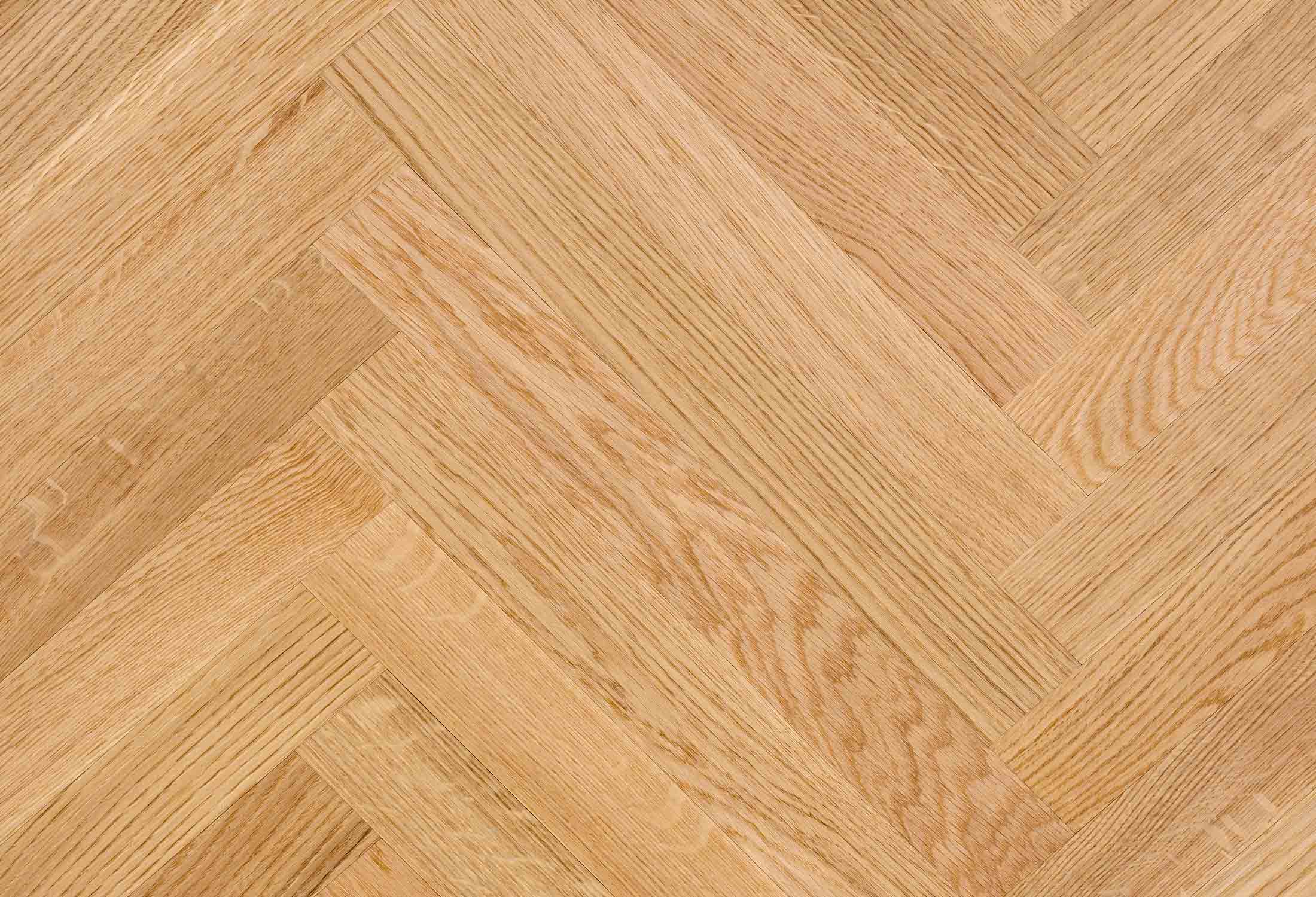
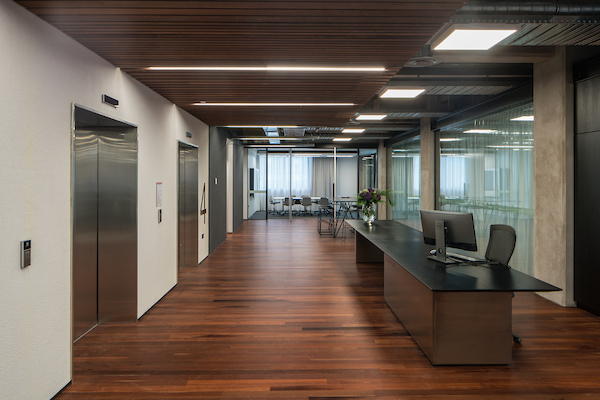
A sanded and coated timber floor in the same hallway goes fifteen years or more before it needs anything beyond a maintenance coat, and a maintenance coat is a fraction of the cost of recarpeting. Between tenancies it needs a mop.
Over a twenty year hold, timber generally wins on total cost even where the upfront figure is higher.
What tenants do to each floor
Timber shows scratches. Carpet shows stains, and stains are what cost you a bond dispute.
A scratch in a coating is a maintenance coat away from gone. A stain in carpet from a pot plant or a pet is permanent, and it is the kind of damage that generates arguments at the end of a tenancy.
Timber also does not hold smell, which matters if a tenant has had pets or smoked indoors.
Healthy Homes and warmth
Timber floors are colder underfoot than carpet, and a suspended timber floor over an unheated subfloor loses heat.
Underfloor insulation is required under the Healthy Homes standards where it is reasonably practicable, and getting that done deals with most of the issue. A rug in the living area handles the rest and is the tenant’s to replace rather than yours.
Do not use carpet as a substitute for insulation. It is not one, and the standards do not treat it as one.
The case for carpet
Bedrooms. Warmth and quiet matter more there than durability, foot traffic is low, and carpet in a bedroom lasts much longer than carpet in a hall.
Upper floor apartments where noise transmission to the unit below is a body corporate matter. Timber over a timber framed floor carries footfall noise, and some titles require carpet in living areas for exactly that reason. Check the rules before you sand anything.
If the floor is already there
Where a rental has original rimu under old carpet, sanding it is often the better investment. You are not buying a floor, you are uncovering one, and the cost is the sand and coat rather than the material.
It also lifts what the property presents as, and in the Wellington rental market a villa with original timber floors rents faster than the same house with worn carpet.
What to spend
For a rental, a two component water based system in satin, three coats. It is harder wearing than a cheaper single component product, it will not amber unevenly where sun hits, and the low odour means a short turnaround between tenancies.
Skimping on coat count to save a few hundred is the wrong economy on a floor that will be walked on by people who did not pay for it.