


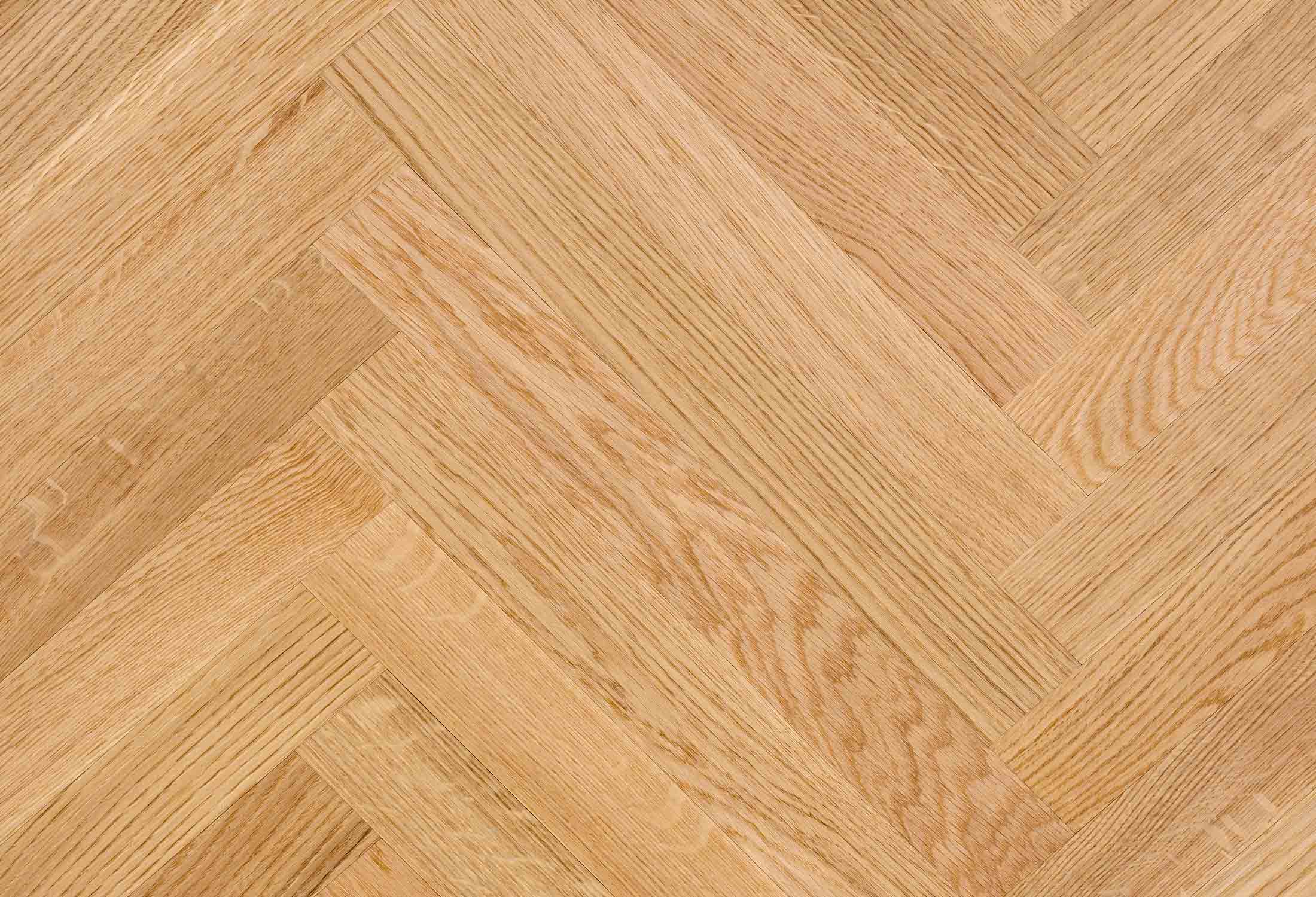





Cupped boards and the subfloor underneath
A floor that dishes across every board is telling you about moisture. Sanding it flat before you fix that wastes the timber.
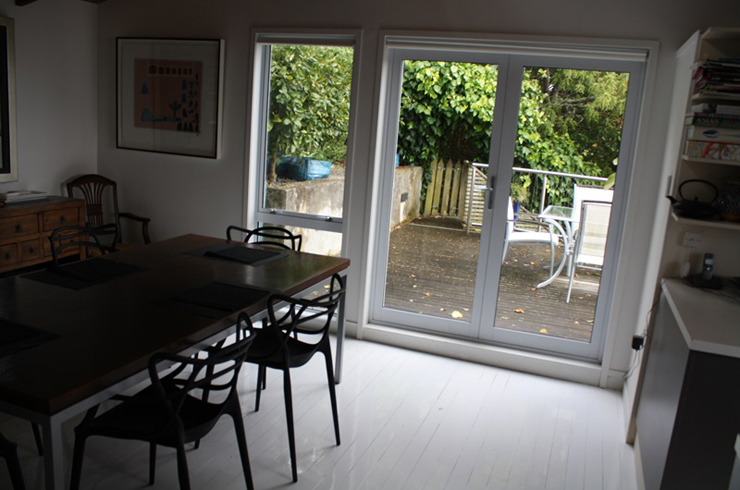
Run your hand across an old floor and you can often feel each board dishing slightly, low in the middle and high at the edges. That is cupping, and it means the underside of the board is holding more moisture than the top.
Why it happens
Timber swells as it takes up moisture. If the subfloor space under your house is damper than the room above, the bottom face of each board expands more than the top, and the board curls.
On a Wellington hill site this is common. The ground sits close under the floor at the back of the house, there is no polythene over the soil, and the vents that were adequate in 1928 are now half buried behind a retaining wall or a deck. Winter arrives, the ground stays wet, and the floor responds.
Kitchens and laundries cup for a more direct reason, which is a leak somebody has not found yet.
Why sanding it flat first is a mistake
A drum sander will take the high edges off a cupped board and produce a flat floor. That works, and the floor looks excellent when we leave.
Then the subfloor dries out over summer, the board flattens on its own, and what you now have is a board that is thin at the edges and thick in the middle, dished the other way. The floor develops ridges at every joint. On a floor with limited thickness left, you have also spent a great deal of the remaining timber on correcting a condition that was going to correct itself.
The right order
Sort the moisture, let the floor stabilise, then sand.
That usually means clearing and unblocking the subfloor vents, laying polythene over exposed ground, and fixing whatever is leaking. Where the ground is close under the joists, adding vents or a mechanical extract may be needed, and that is a builder’s job.
Then the floor needs time. A season is a reasonable expectation, and a moisture meter reading across the boards will tell you when the top and bottom have equalised. We can take those readings when we quote.
When we will sand a cupped floor anyway
Mild cupping on a floor with a dry subfloor and no active moisture source is often just the settled shape of an old floor, and it has not changed in years. We will sand that.
Severe cupping on a damp subfloor we will not sand until the moisture is dealt with, and we will say so at quote stage rather than take the work. It is the single most common reason we tell somebody their floor is not ready.
What you can check yourself
Get under the house with a torch if you can safely. Look for wet ground, standing water, blocked or painted over vents, and daylight where you expect it. Feel the underside of the boards near an outside wall and compare with the middle of the house.
If the ground is bare soil and it is damp to touch in July, that is your answer, and a roll of builder’s polythene is a great deal cheaper than a floor.