


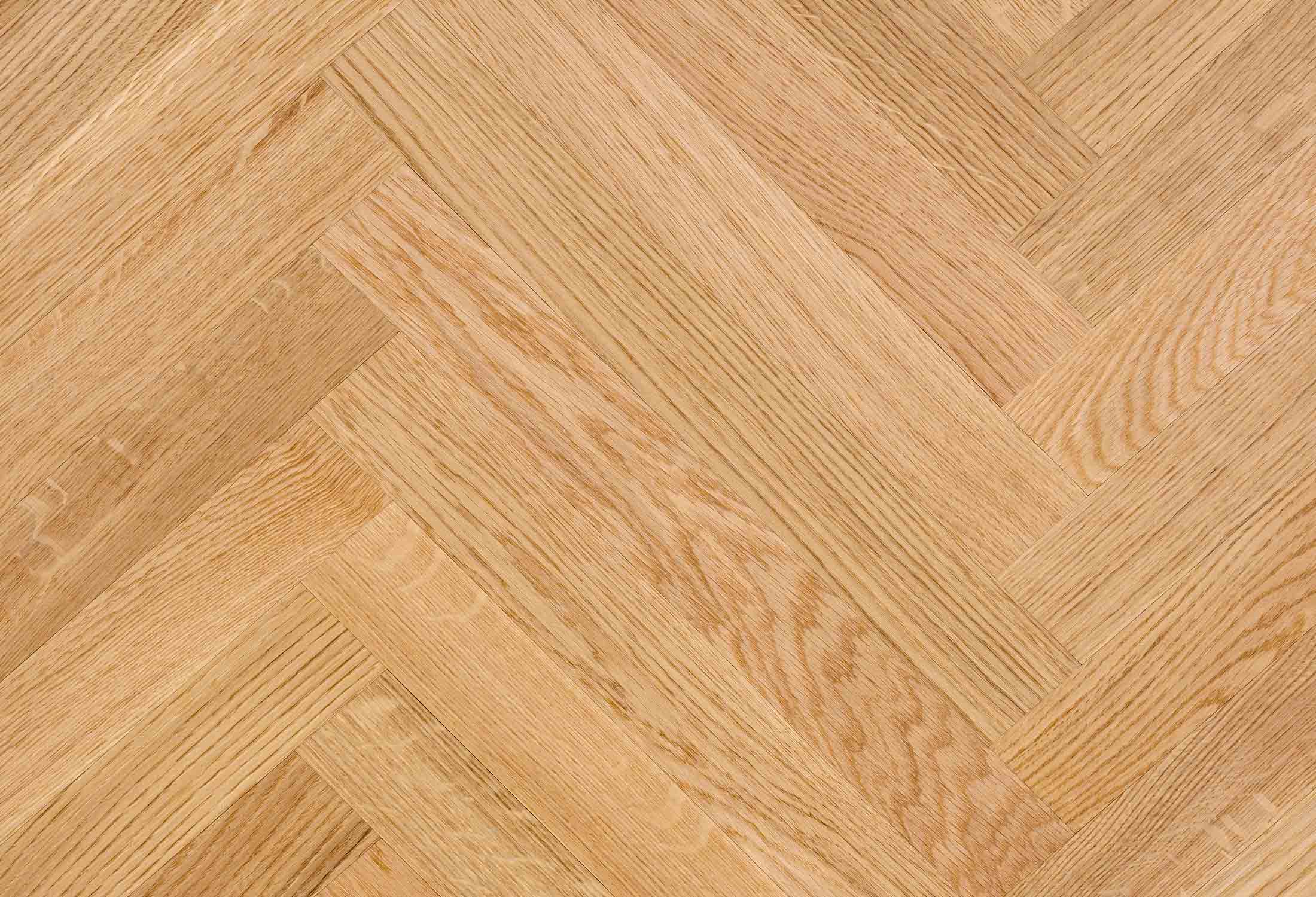





Filling the gaps between boards, and when not to
Gap filling works on some floors and fails on others. The difference is whether the boards still move.
Old tongue and groove floors open up. A villa built in 1925 with 100mm rimu will usually have gaps somewhere between one and four millimetres, and the wider ones let draughts, dust and the occasional coin through to the subfloor.
Filling them is possible. Whether it lasts depends on the floor.
Why the gaps are there
Timber moves with moisture. Boards laid tight in a damp winter shrink through their first few dry summers and settle at a width that reflects the average moisture content of your house. In a Wellington villa with an open subfloor and no ground vapour barrier, that movement carries on seasonally for the life of the building.
A gap that has been stable for forty years will probably stay stable. A gap in a floor that is still drying out, over a subfloor that gets damp in winter, will keep changing.
The filling methods
For hairline gaps, mixing fine sanding dust from your own floor with a resin binder and working it across the boards fills them and matches the timber colour, because it is your timber. This works well up to about a millimetre and is done as part of the fill and prep stage.
Wider gaps need slivers: thin strips of matching timber cut and glued into the gap, then sanded flush. That is slow, skilled work priced per metre, and on a floor with a lot of open joints it can cost more than the sanding.
Flexible gap filler is the third option. It stays elastic so it survives seasonal movement, but it never colour matches convincingly and it reads as a line of caulk once the floor is coated.
Where filling fails
Dust and resin in a gap that moves will crack out within a season or two, and it takes a chip of finish with it when it goes. On a floor still settling, filling every gap produces a floor that looks perfect in March and has a scatter of white cracks by September.
We would rather tell you at quote stage that your floor is not a good candidate than take the money and watch it fail. If the subfloor is damp, sorting the ventilation and putting down a vapour barrier does more for the floor than any filler will.
What we usually recommend
On a stable villa floor: fill the fine gaps with dust and resin as part of the normal prep, sliver anything wide enough to lose a coin down, and leave the rest. A hundred year old floor with some visible joints between the boards looks like what it is. A hundred year old floor with every gap packed and levelled often looks slightly wrong, like a reproduction.
Send Paul photos of the worst area with something for scale, a coin or a tape, and he will tell you which category your floor falls into before anyone visits.