







Is there rimu under your carpet
How to check without pulling the whole room up, and what you are looking at once you find it.
If your house went up in Wellington, Petone or the older Hutt streets before about 1940, there is a good chance the carpet is sitting on a rimu floor that has never been sanded.
Where to look
Pick the least visible corner you have. Inside a wardrobe is ideal, or behind a door that always stands open, or the corner of a bedroom where a chest of drawers lives.
Carpet is held down by gripper strip, a thin batten of timber with angled nails, running around the perimeter about 10mm out from the skirting. Lift the carpet edge with a pair of pliers and pull it back off the gripper. It comes away with a ripping noise and goes back on by pressing it down with your foot, so this is reversible.
Under the carpet is underlay, usually a rubber or felt sheet stapled down. Peel a corner of that back too.
What you are looking at
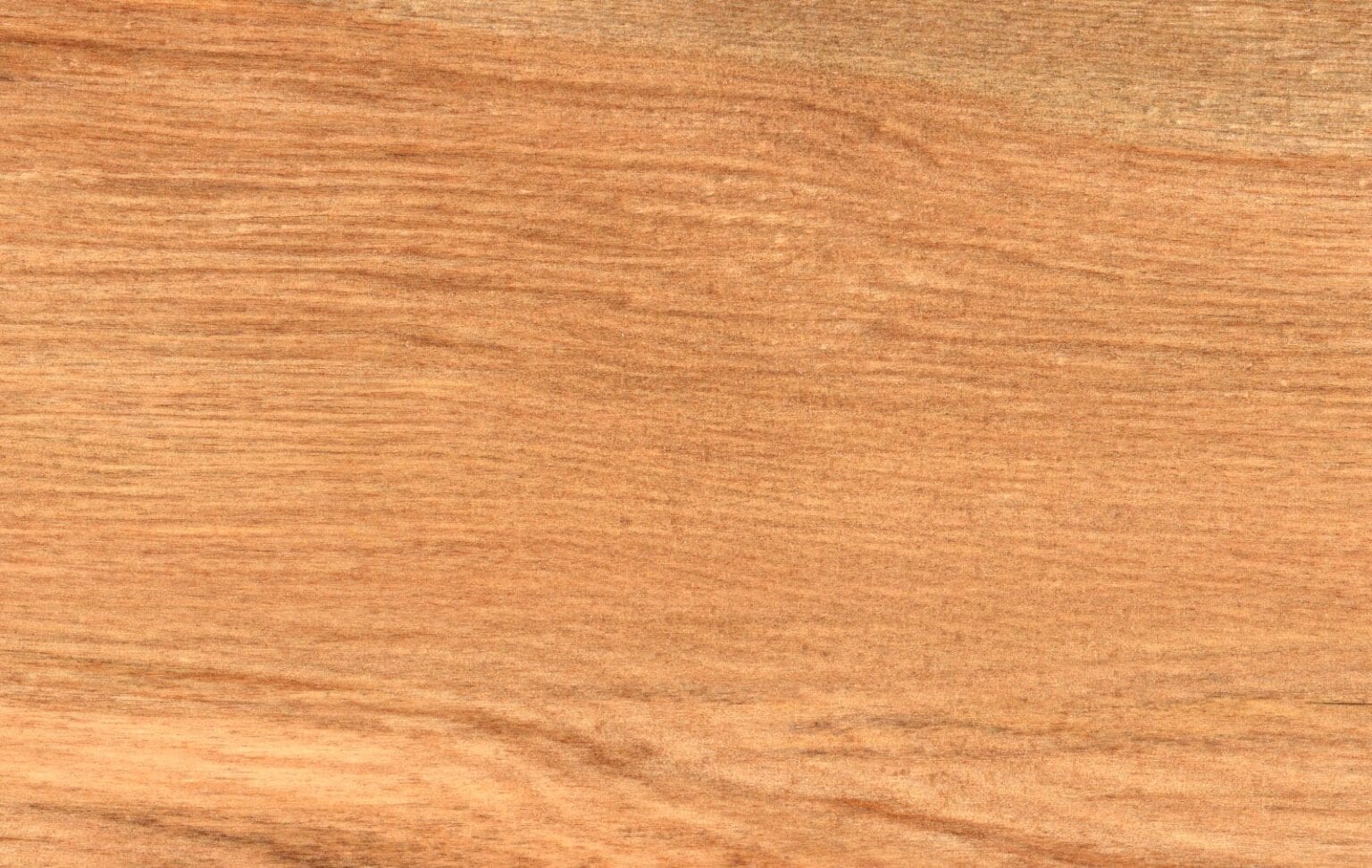
Tongue and groove rimu is typically 100mm wide across the face, sometimes 125mm in a larger room, laid in long runs with the joints staggered. The colour under decades of carpet ranges from honey through to a mid reddish brown, and the grain runs in fine straight lines rather than the strong figure you get in oak.
You will probably see two rows of nail heads at each joist crossing, some paint spatter near the skirting, and a border where somebody once stained or polished the perimeter of the room before rugs went down. The middle will look pale and untouched.
None of that is a problem. Paint, tack holes and a polished border all come off in the first cut.
What tells you it is not rimu
Matai is the other common find. It is harder, the colour sits more towards a golden brown, and the grain has a fine flecked look rather than straight lines. Builders often used matai in hallways, kitchens and entries where wear was going to be worst, so plenty of Wellington houses have matai through the traffic areas and rimu in the bedrooms.
Wide boards over about 150mm, or boards with a strong grain pattern and visible growth rings, are more likely kauri or an imported timber, and both change the conversation about what to do with them.
If the boards are 19mm chipboard or plywood sheets rather than individual planks, the house is later than you thought and there is no timber floor to save.
What to do next
Fold the carpet back in a wardrobe or behind a door, open the curtains and have a proper look at the boards and the way they run. Then ring Paul with your suburb and the approximate area.
He will tell you what the timber is, whether it looks worth sanding, and whether what you have found is a floor or a subfloor. Some Wellington houses have rough sarking under the carpet that was never meant to be seen, and sanding that is a waste of money.