





Living with an oiled floor
Oil finishes repair in place rather than needing a full resand, but they ask more of you in between.
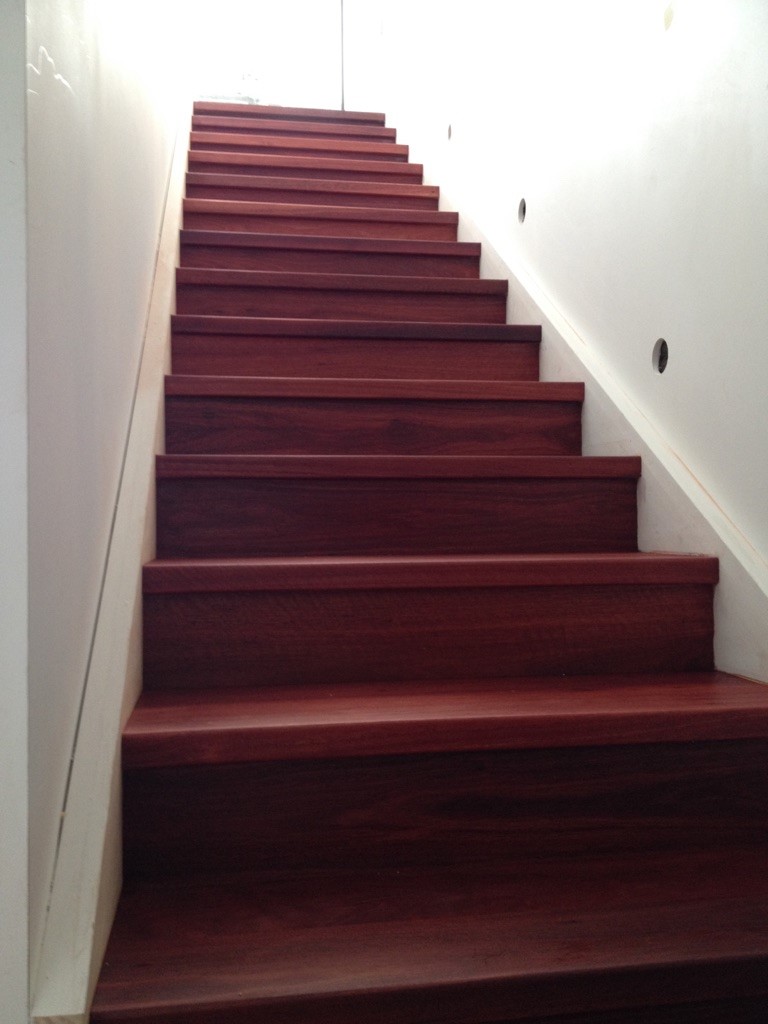
An oil or hardwax oil finish soaks into the timber rather than forming a film on top of it. That single difference drives everything else about how the floor behaves.
What it looks like
Oil leaves the timber looking and feeling like timber. There is no plastic sheen, the grain stays open to the touch, and the colour comes up with depth rather than sitting under a layer.
On rimu and matai it produces a result closer to how those floors would have looked before polyurethane existed. Plenty of people who dislike the look of a coated floor are reacting to the film, and an oiled floor solves that.
The maintenance is different, not less
A film finish protects the timber until it wears through, at which point you resand. An oiled floor has no film to wear through, so instead it needs topping up.
In a busy hallway that means re-oiling the traffic areas somewhere between one and three years, depending on use. It is not a difficult job and you can do it yourself: clean the floor with the appropriate soap, let it dry, apply a maintenance oil with a cloth or pad, buff off the excess.
Skipping it does not cause a sudden failure. The floor gradually dries out, starts to look grey and thirsty in the walked areas, and becomes more absorbent to spills.
Spot repair is the real advantage
Scratch a polyurethane floor and the mark is in the film. Fixing it properly means abrading and recoating at least that whole board, and usually the whole room, because a patch of fresh coating shows.
Scratch an oiled floor and you can clean the area, work oil into it and blend it out, and in most cases the repair disappears. On a floor with a dog, or in a house where things get dropped, that is worth a great deal over a decade.
What it does not tolerate
Standing water. An oiled floor is water resistant, not waterproof, and a puddle left overnight will mark it. Kitchens and areas around a dishwasher need attention rather than assumption.
Ordinary supermarket floor cleaners are also a problem. Anything containing silicone, wax or a shine agent contaminates the surface and prevents future oil from penetrating, which turns an easy maintenance coat into a resand. Use the soap made for the system and nothing else. We stock it.
Which products we use
We apply WOCA oil. It is made from refined plant oils and waxes, it is penetrating rather than film building, and it is covered properly on the natural oils page.
Who it suits
An oiled floor rewards a household that will maintain it and punishes one that will not. If nobody in your house is going to buff oil into the hallway every couple of years, a two component water based polyurethane will serve you better and you should not feel bad about that.
If you like the look and you do not mind the routine, an oiled floor ages better than any film finish because you never have to take the timber back to fix it.