







Recoat or full sand: how to tell which you need
A worn coating and a worn floor are different problems with very different prices. Here is how to work out which one you have.
Plenty of floors that get quoted for a full sand only need a recoat, which costs a fraction as much and takes a fraction as long. The test is whether the wear has gone through the finish into the timber.
The wardrobe test
Find a spot the traffic never reaches: under a bed, inside a wardrobe, behind a door that is always open. Compare it with the middle of the hallway.
If the protected timber and the worn timber are the same colour and the difference is only in how shiny they are, your coating is worn and the timber underneath is intact. That is a recoat.
If the traffic lane is greyer, darker or noticeably different in colour from the protected area, the finish has gone through and the timber itself is weathering. That is a sand.
What a recoat involves
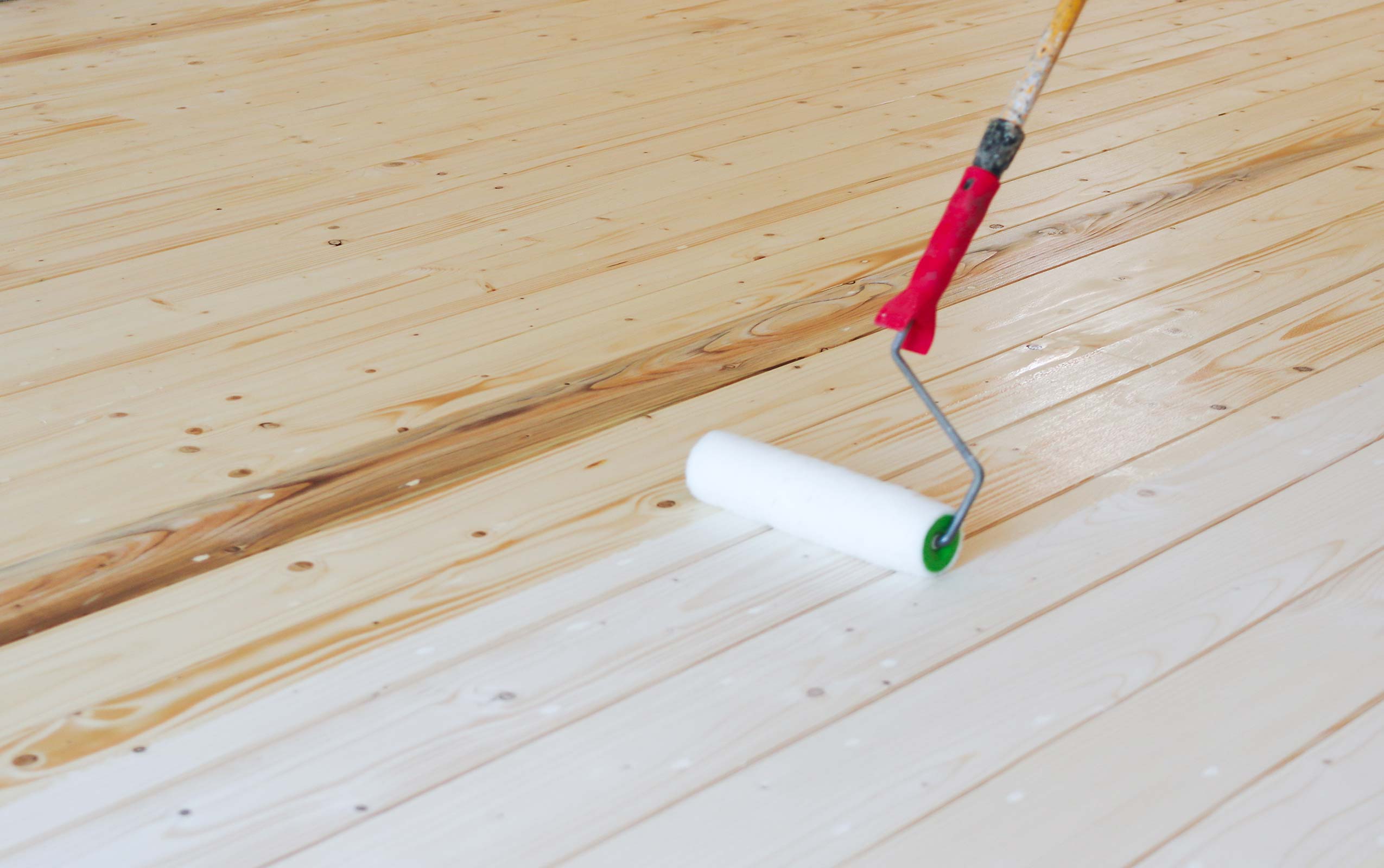
We abrade the existing finish with a screen or a fine mesh to key the surface, vacuum and tack the floor, then apply one or two fresh coats. No coarse abrasive touches the timber, so the floor loses none of its remaining thickness.
That means a day or two rather than four or five, and your floor keeps the sands it has left for when it needs one. On a floor that has already been sanded three times, this matters.
When a recoat will not work
Screening keys a surface. It does not remove anything meaningful, so whatever is under the old finish stays there. If the floor has deep scratches, pet stains, dark patches or a colour you dislike, a recoat locks all of it in under a fresh layer of gloss.
Recoating also fails if the existing finish is delaminating, if somebody has put a household polish or a silicone product over it, or if the old coating is a wax. New finish will not bond to any of those, and it lifts in sheets within months. If your floor has ever been treated with a supermarket shine product, say so before we quote.
The awkward middle case
Some floors need a sand in the hallway and a recoat everywhere else. Sanding one room and recoating the next leaves a visible difference at the doorway, because a freshly sanded floor takes finish differently from a screened one.
The honest answer is to sand the whole connected area rather than patch it, and to recoat the rooms that sit behind a closed door. Paul will walk it and tell you where the line falls.
Getting an answer
Look at the worst traffic lane with the light coming across the floor rather than from behind you. If you can see bare timber in the middle of the lane, it is a sand. If the whole floor is dull but the coating is unbroken, it is a recoat.
Ring Paul with your suburb and rough floor area and he will settle it on the visit, including when the answer is that you do not need us yet.