


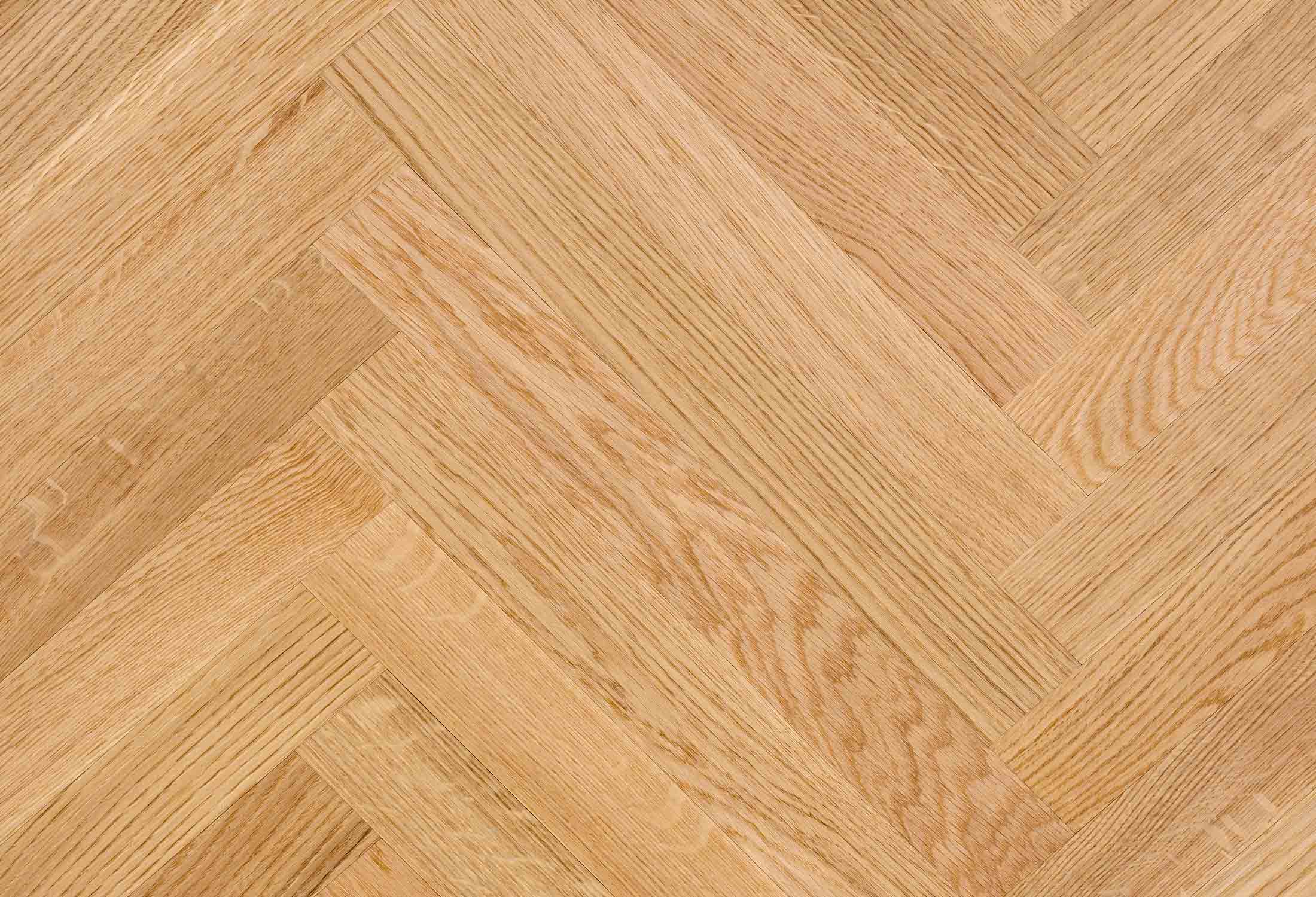





Telling rimu from matai in your own hallway
The two timbers under most pre-war Wellington carpet, and how to work out which one you have before anyone quotes.
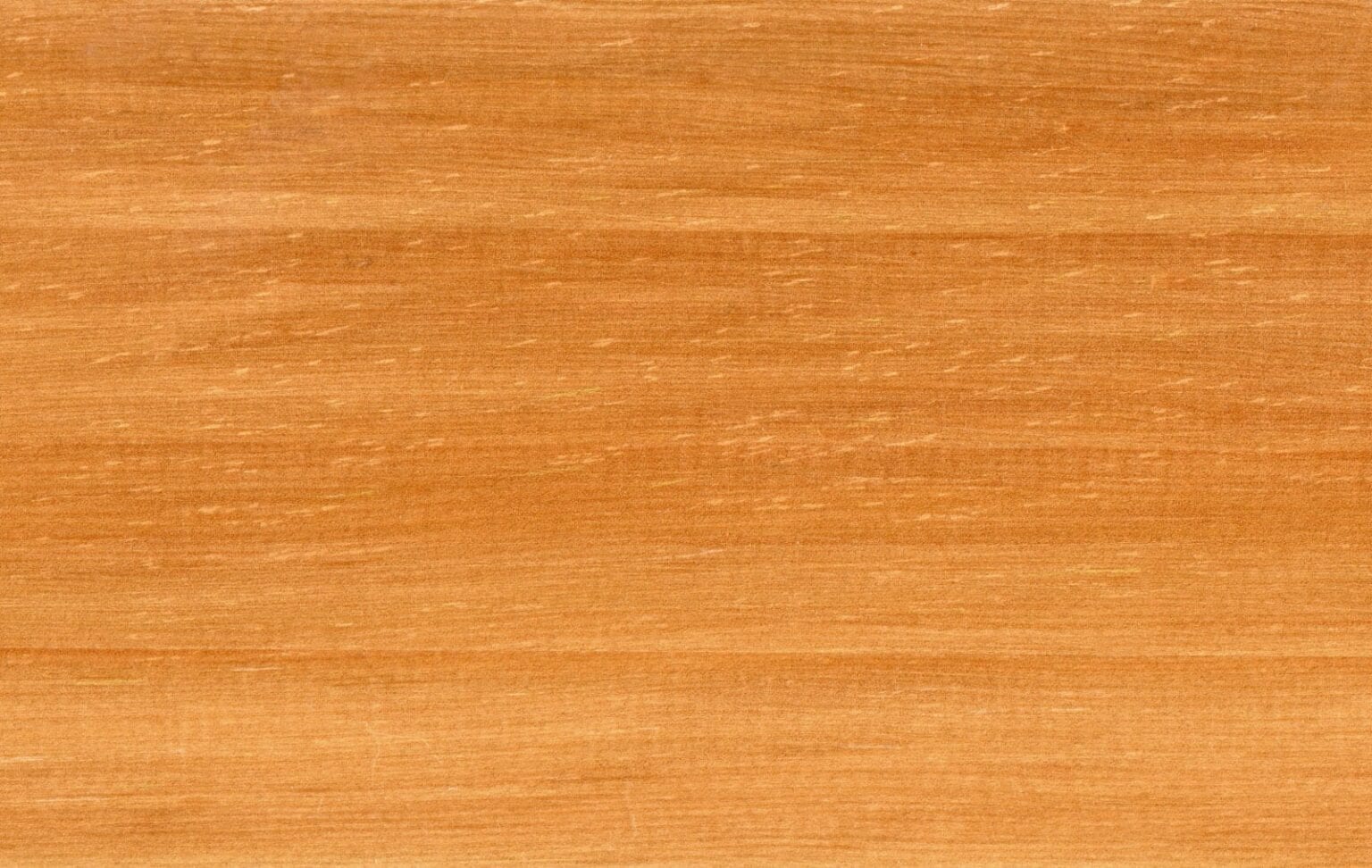
Most Wellington floors from before the war are rimu, matai or a mix of the two in the same house. Knowing which is which changes what a sand will cost and what the finished floor will look like.
Rimu
Rimu is the softer of the two. The colour runs from a pale honey through to a warm reddish brown, and it darkens with light exposure over years, which is why the section of floor that sat under a rug for thirty years comes up noticeably paler than the rest.
The grain is fine and straight, without much figure. On a quarter sawn board you sometimes get a subtle stripe. Rimu dents if you drop something heavy on it, and stiletto heels mark it.
Because it is soft, rimu sands quickly and takes stain readily, sometimes too readily. Blotching is a real risk on rimu if the floor is stained without a conditioning coat first.
Matai
Matai is harder and denser. The colour sits in the golden to mid brown range, and the grain has a fine flecked or speckled character rather than clean lines. Under a coat it develops a depth that rimu does not have.
Builders put matai where the traffic was. If your hallway, entry and kitchen are one timber and your bedrooms are another, the hallway is probably matai.
Matai is harder on abrasive, so it takes longer to sand and gets through more belts. It also holds up better afterwards, and a matai hall will still look respectable when the rimu bedrooms are ready for another coat.
Telling them apart in the dark
Push a thumbnail into the timber in an out of the way spot. Rimu takes a mark without much pressure. Matai resists.
Look at the end of a board where it meets a doorway or a hearth. The end grain shows the difference more clearly than the face does.
Compare the traffic lane with the protected timber. Rimu shows wear as a colour change and a dulling. Matai tends to keep its colour and lose its sheen.
Why it matters for your quote
A house with matai through the circulation and rimu in the rooms is two sanding jobs with different abrasive consumption and different rates of progress, and the two timbers take stain differently. A stain matched on rimu will read differently on matai across the same doorway.
Where a client wants a uniform colour across both, we generally recommend a clear finish and letting the two timbers be different, or accepting that a stain will emphasise the boundary rather than hide it. Trying to force a match across two species usually produces a floor that looks like somebody tried.
Send a close photo of each timber and Paul will tell you what you have.