


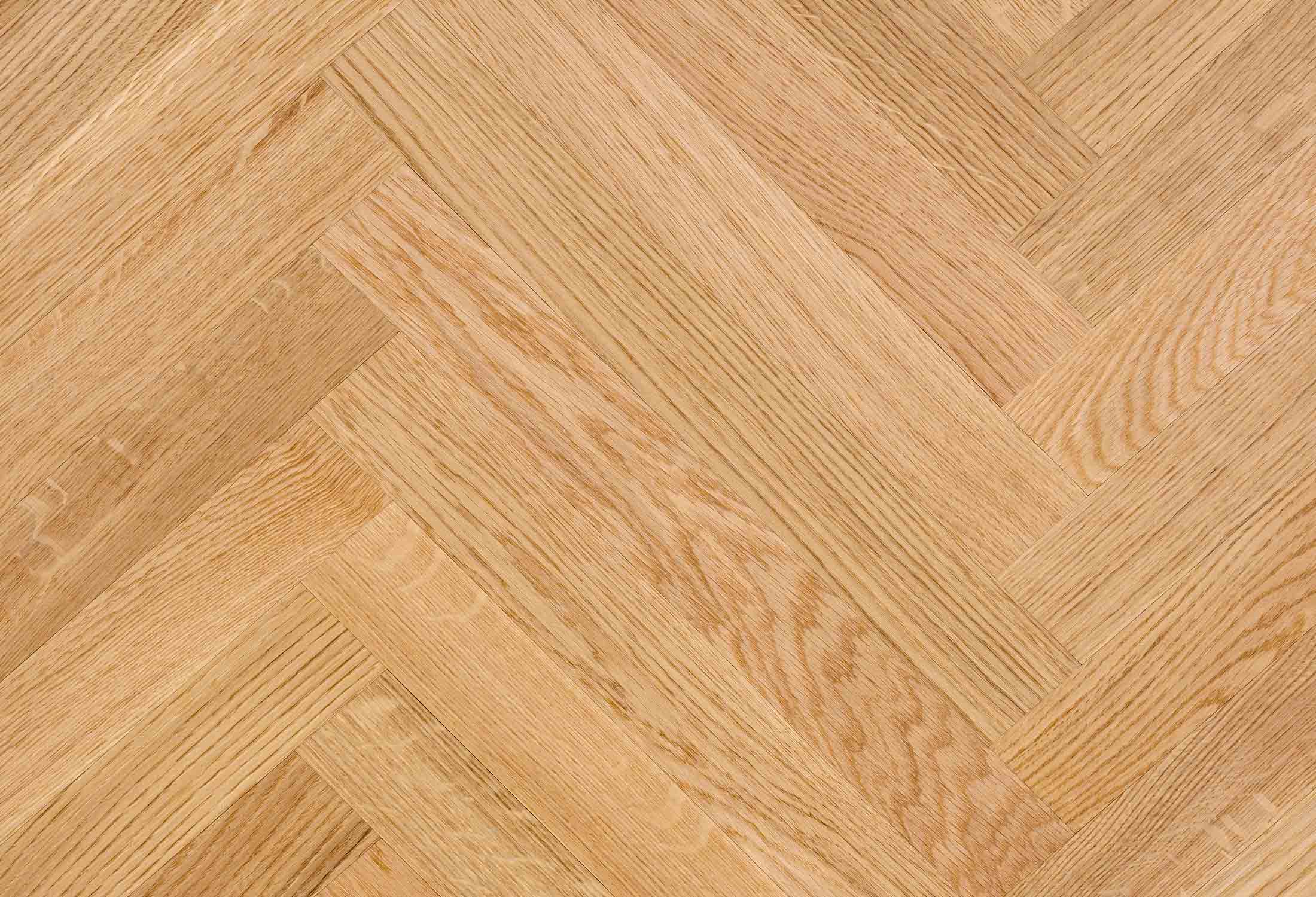





What a maintenance coat is, and when to book one
One coat over a screened floor, done before the timber shows through, keeps a resand years away.
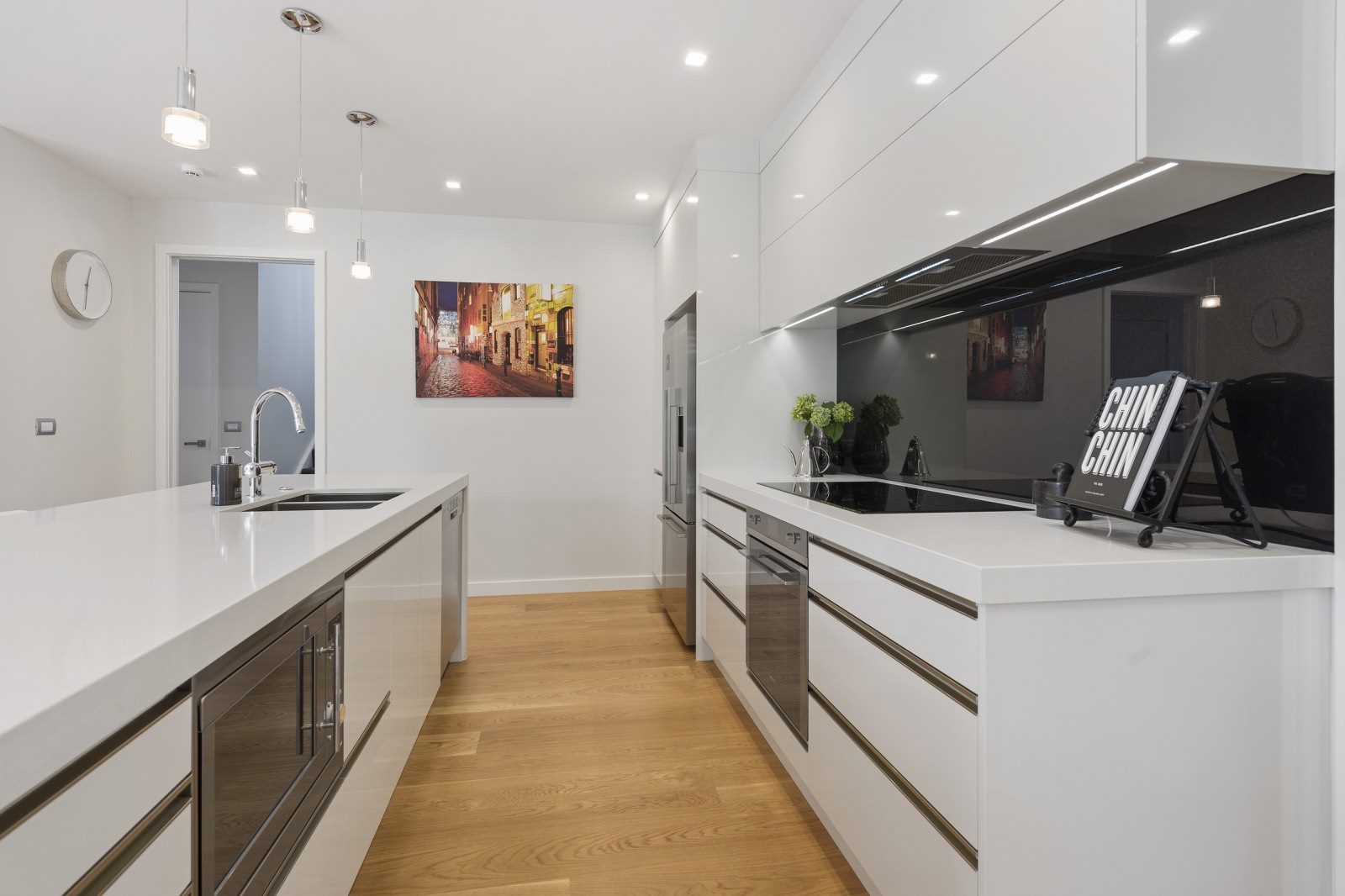
A maintenance coat is the cheapest work we do and the most useful. We abrade the existing finish, clean the floor, and put one fresh coat over the top. No coarse abrasive touches the timber, so the floor loses none of its remaining thickness.
When to book it
The right moment is when the finish looks dull in the traffic lanes and the timber underneath is still protected. Stand in the hallway and compare the walked area with the edge near the skirting. A difference in sheen means the coating is thinning. A difference in colour means you have left it too long and the timber is now wearing.
In a busy household with a hallway off the front door, that point comes somewhere between fourteen and eighteen months on a heavily used route. In a formal lounge nobody walks through, it might be five years or never.
You do not have to do the whole house. Coating the hall and the kitchen while leaving the bedrooms is perfectly sensible, though the transition at a doorway will show slightly for a while.
What it costs against a resand
A maintenance coat is a fraction of the price of a sand and coat, and it takes a day rather than a week. The furniture goes back sooner because there is one coat curing rather than three.
The larger saving is in timber. Every maintenance coat you take instead of a resand keeps a sand in the bank for when the floor needs one. A floor that gets a maintenance coat every couple of years can go decades without being sanded again.
When it will not work
Screening keys the existing finish so the new coat bonds. That fails if the old finish is delaminating, if it is a wax, or if a silicone or polish product has been used on it.
Supermarket shine products are the usual culprit. They leave a residue that nothing bonds to, and a coat applied over it lifts in sheets within months. If anyone has ever used one on your floor, say so, because the remedy is a full sand rather than a screen.
Deep scratches and stains also stay put. Screening does not remove anything meaningful, so a maintenance coat locks in whatever damage is already there under a fresh layer.
Looking after it in between
Grit is what wears a finish, and most grit arrives on shoes. Doormats at every external door do more for the life of your coating than any product.
Felt pads under furniture legs, and lifting rather than dragging anything heavy. Sweep or vacuum rather than wet mop, and where you do mop, use a damp mop and the cleaner made for the finish. Avoid anything that promises shine.
Booking
Ring or send a photo of the worst traffic lane. Paul will tell you whether you need a maintenance coat, whether you can leave it another year, or whether you have gone past the point where screening will do.