


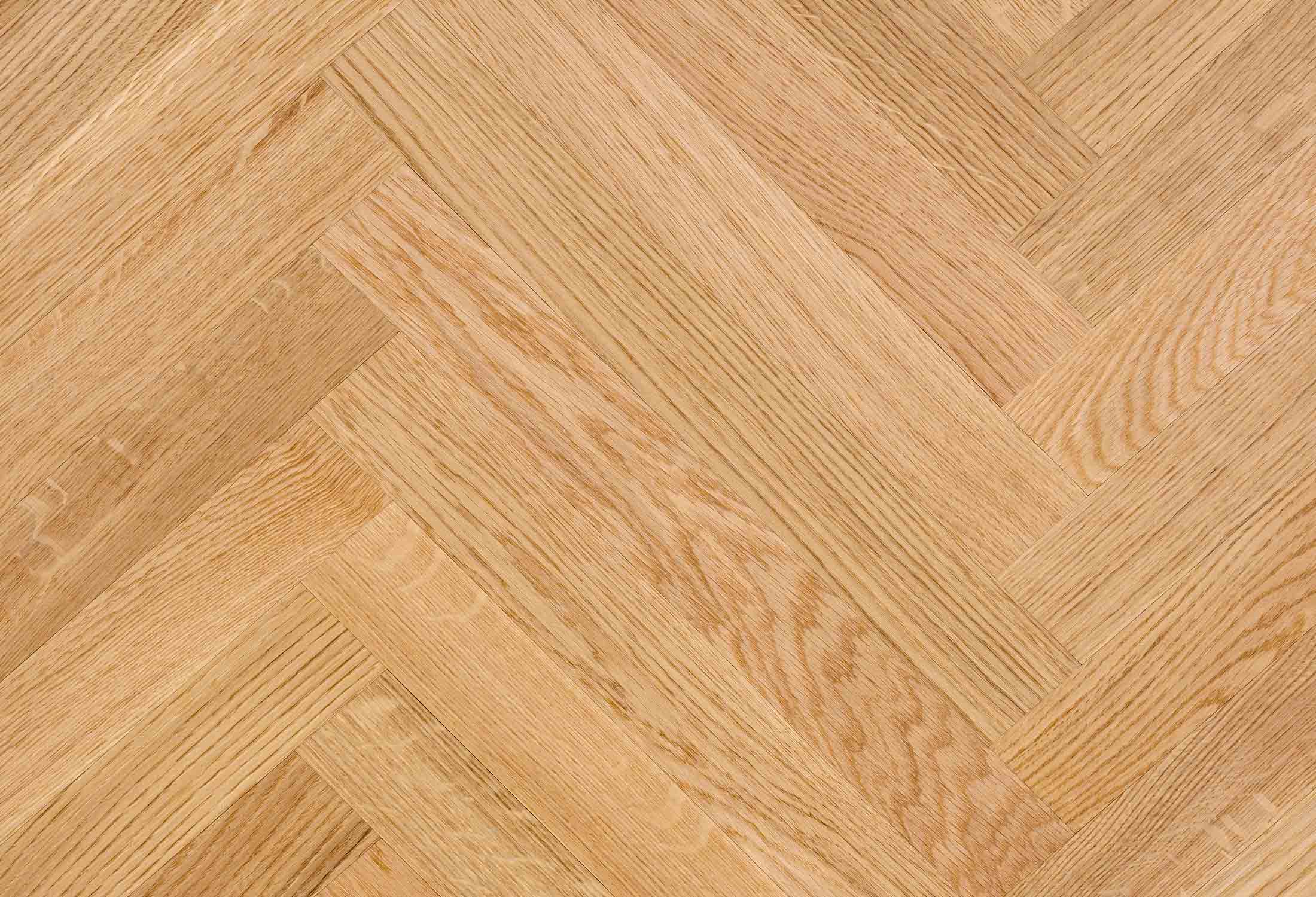





Whitewash and blockout, and what they do to grain
Two ways of taking a floor paler. One lets the grain through, the other stops it.
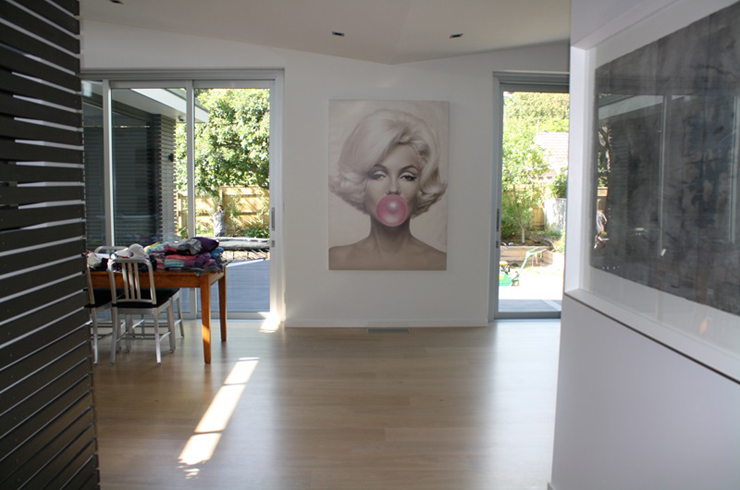
Wanting a floor lighter than the timber is a common brief in Wellington, particularly in a villa where dark rimu makes a small room feel smaller. There are two approaches and they produce different floors.
Whitewash
A whitewash is a white tinted stain or oil applied thinly so it settles into the open grain and sits lighter on the dense areas. The grain stays visible and reads as white lines through a pale background.
It keeps the character of the timber. On oak, where the grain is strong, the effect is pronounced. On rimu, where the grain is fine, it is subtler and produces more of an overall lightening.
Whitewash does not remove the underlying colour. A red toned rimu whitewashed goes pink rather than white, and that surprises people who were expecting Scandinavian oak. Sampling matters here more than anywhere.
Blockout
A blockout is an opaque or near opaque white applied to stop the timber colour coming through at all. The result is closer to a painted floor, though it is applied as a floor coating system and coated over rather than being house paint.
It gives you a pale floor regardless of what is underneath, which is the point. What you lose is the grain, and with it most of the evidence that the floor is timber.
On an old floor with heavy staining, mismatched boards and repairs, blockout is sometimes the only way to get a light floor at all. On a sound floor with attractive grain it is a decision people occasionally regret, because it cannot be undone without sanding back through the coating.
Wear behaves differently on a pale floor
A dark floor shows dust and shows scratches as light lines. A pale floor hides dust and shows dirt.
The bigger issue is that any wear through the coating on a blockout floor exposes the timber underneath, which is dark. A scratch on a white floor over rimu reads as a brown line, and it is obvious. Traffic lanes need watching and a maintenance coat booked sooner than you would on a clear finish.
Whitewash under a clear coat wears more gracefully, because what is underneath is only a shade or two different.
Getting it right
Sample on your own boards, prepared the way the floor will be prepared, and look at it over a couple of days in different light. Ask for a whitewash and a blockout side by side even if you think you know which you want, because seeing them together settles it quickly.
Think about the rest of the room. A very pale floor changes how every other surface reads, and skirtings that looked white against dark rimu can look grubby and yellow against a white floor.