


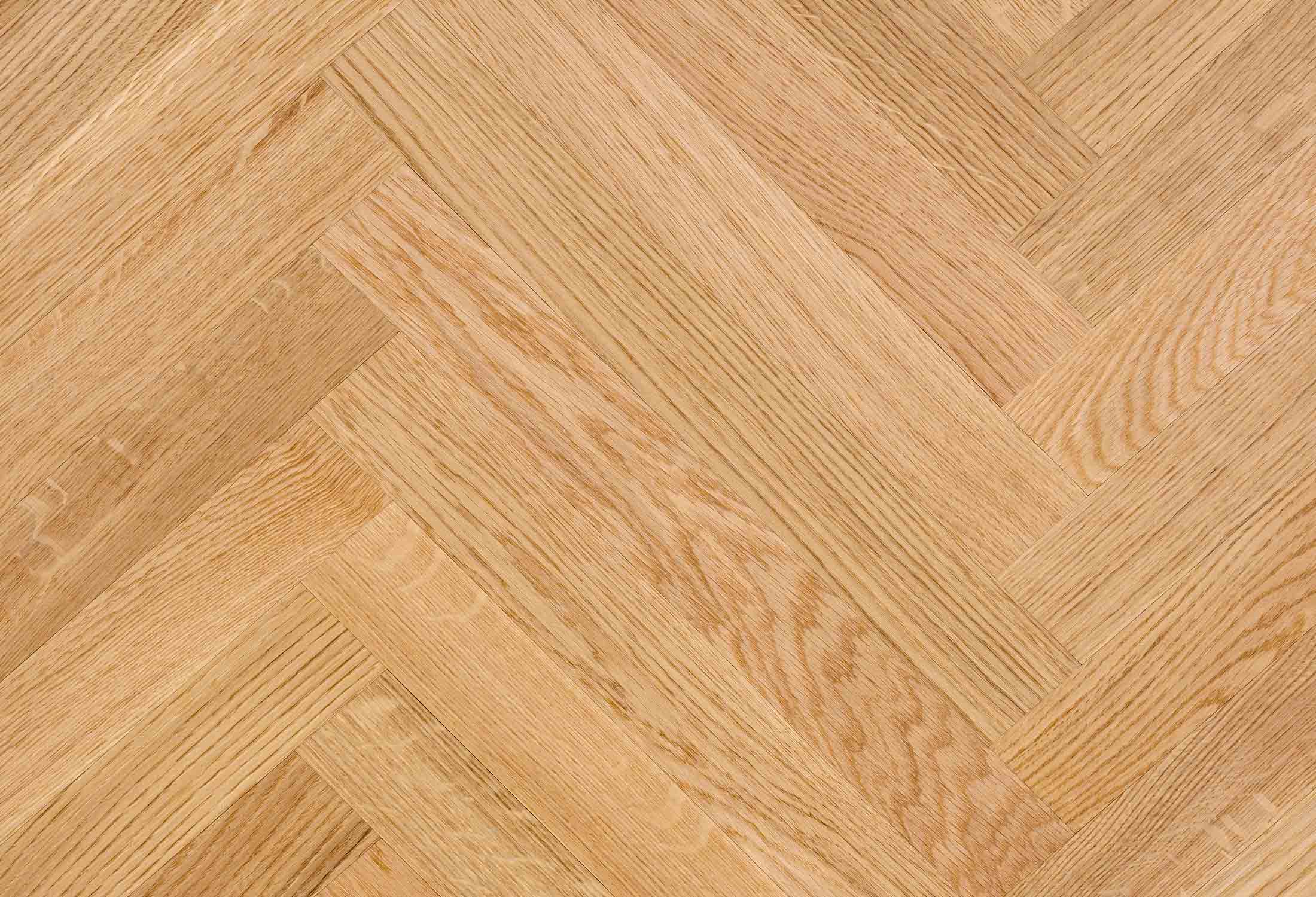




Timber Floor Staining Specialists
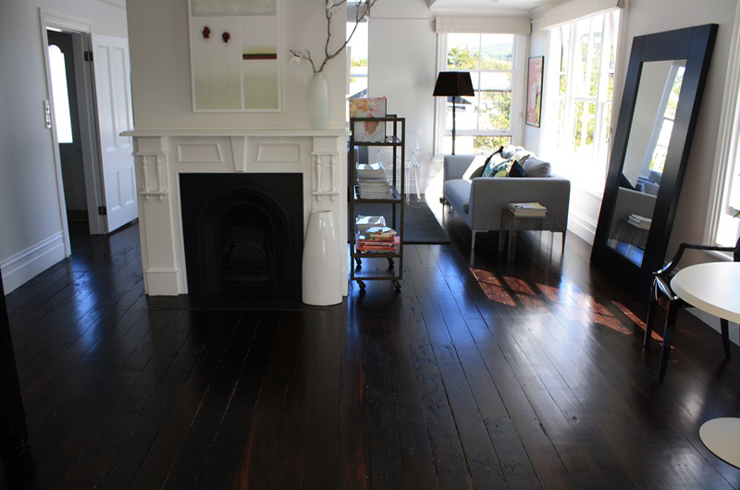
Floor staining lets you customise your floors with a range of stain colours or tinted polyurethane without losing the natural beauty of the timber. Our team is renowned for specialising in staining all types of timber floors.
- What it does
- Emphasises grain, darkens, lightens, or gives a recycled look
- When it happens
- On bare sanded timber, so it is part of a full sand
- Adds
- A test panel, an extra day, and a higher rate per square metre
What staining can do
As well as providing a fresh, clean look, floor staining offers dramatic colour effects:
- Emphasise the wood grain
- Darken the timber
- Lighten the timber
- Give a recycled or vintage look
The most common reason Wellington owners ask for it is not fashion, it is matching. A 1990s extension floor and a 1928 original will never agree on their own. Staining the newer one back toward the older is what makes the doorway between them stop being the first thing you notice.
Test panels come first
Stuck on the colour, we can do a test stain on your own boards. See it on your floor, in the room they will live in, looked at in daylight, before the whole room is committed.
Tinted polyurethane as an alternative
Not an ideal solution, as you can only add a small percentage of stain to the poly, since poly is not designed to be diluted with a stain. Tinted polyurethane coatings change the colour of your floor, but if the goal is colour rather than character, it is a cheaper way to get there.
The process
Staining goes onto bare sanded timber and then gets coated over, so it can only happen as part of a full sand rather than a recoat. It adds a day to the job while the colour dries before the first coat, and a higher rate per square metre. Both are on the quote.
Staining questions
Can you match my extension floor to the original?
Usually to within a shade or two, by sanding both floors together and staining the newer one back toward the original. We put test panels down on your own boards first. Where the two are different species the grain still differs, so we tell you what the doorway will look like before you commit.
Why does staining need a test panel?
Because a sample board from a merchant was cut from different timber under different light and tells you very little. We put the candidate colours down on your own boards, in the room they will live in, and you look at them in daylight.
Is stain or tinted polyurethane better?
Stain goes into the timber and lets the grain show through. Tinted polyurethane sits on top and changes the colour without enhancing the grain, which is more economical and more forgiving. Which one is right depends on whether you want to see the timber or just the colour.
Other finishes
- Polyurethane · Hard-wearing, high build, and the standard for heavy traffic.
- Water-based Polyurethane · Low odour, non-yellowing, and the house is usable sooner.
- Natural Oils · Matte, repairable in place, and safe once cured.
- Whitewash and Blockout · Lighten the grain, or block it out entirely.
Which finish suits your floor?
Ring Paul and tell him how the room gets used. Traffic, light and whether anyone in the house has asthma, is pregnant or is trying decide this more than the catalogue does.
Freephone 0800 005 287 · Office 04 473 9668 · Mobile 021 422 191
paul@4starflooring.co.nz