
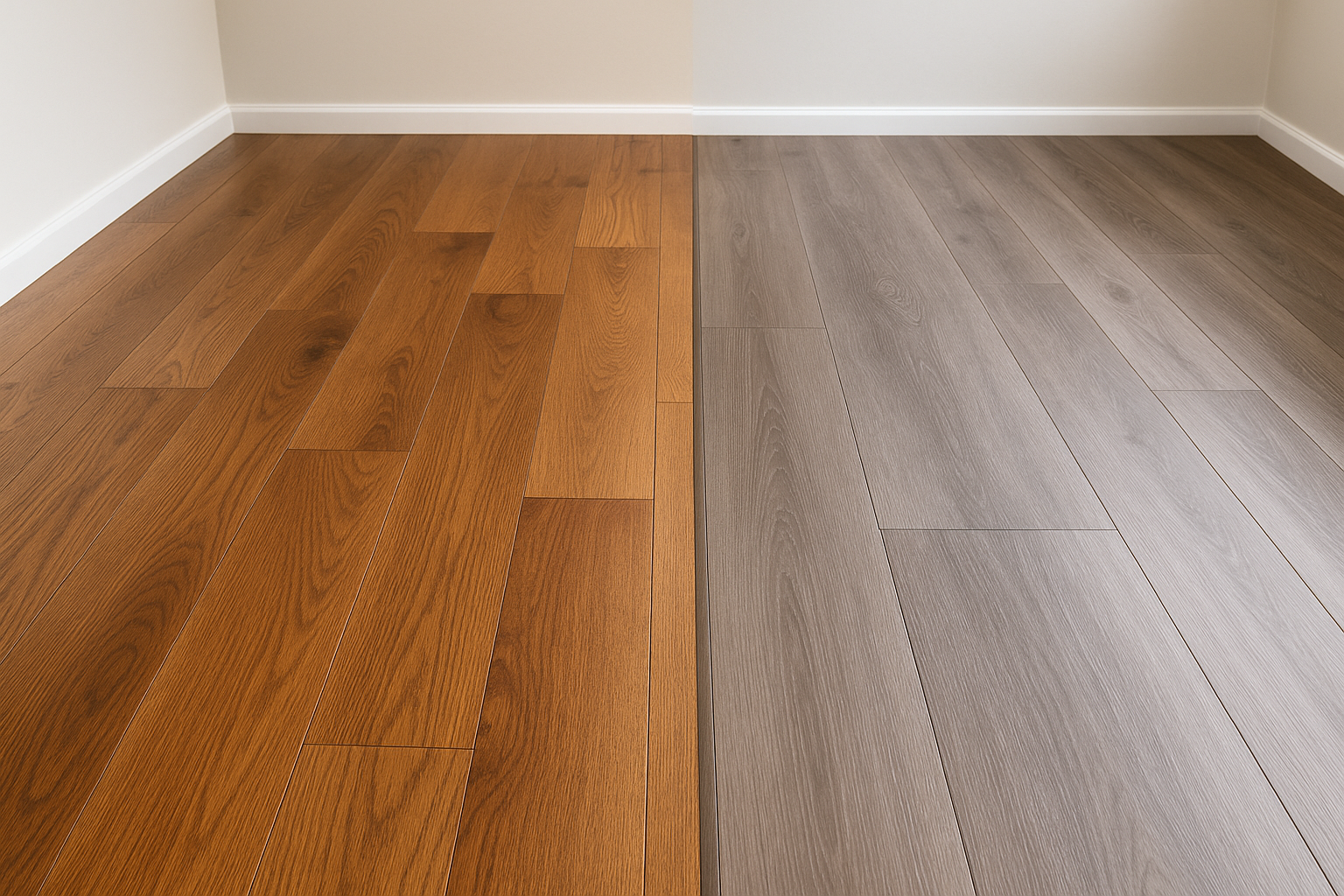
Hardwood vs Laminate Flooring: A Practical Guide for NZ Homes
Choosing the right flooring for your New Zealand home can feel overwhelming, especially when faced with the classic debate: hardwood or laminate? Both options have their passionate advocates, and for good reason. Whether you’re renovating your Auckland villa, updating your Wellington apartment, or building your dream home in Christchurch, understanding the real-world differences between these popular flooring choices will help you make the best decision for your lifestyle and budget.
Let’s dive into the practical considerations that matter most to Kiwi homeowners, from dealing with our unique climate challenges to maximising your renovation investment.
Understanding Your Options: What’s Really Under Your Feet?
Hardwood flooring is exactly what it sounds like: planks cut from real timber. In New Zealand, popular choices include native species like rimu and kauri (often reclaimed), alongside imported options like American oak or European ash. You’ll typically find solid hardwood or engineered hardwood, with the latter featuring a real wood veneer over a plywood base.
Laminate flooring, on the other hand, is a synthetic product made from high-density fiberboard with a photographic layer that mimics wood grain, topped with a protective clear coating. Modern laminate technology has come incredibly far, and many options are virtually indistinguishable from real wood at first glance.
The Battle of Durability: How Do They Handle Real Life?
New Zealand families need flooring that can handle everything from muddy rugby boots to the family dog racing through the house. Here’s how each option performs:
Hardwood durability varies significantly depending on the species and finish. A well-maintained hardwood floor can last generations, but it’s vulnerable to scratches from pet claws, dents from dropped objects, and water damage from spills or humidity changes. The good news? Most damage can be sanded out and refinished, essentially giving you a brand new floor.
Laminate flooring is surprisingly tough against everyday wear and tear. It resists scratches better than many hardwoods and handles spills well, provided you clean them up promptly. However, when laminate does get damaged, you typically need to replace entire planks rather than refinishing them.
Moisture and Climate Considerations for New Zealand Homes
Our climate presents unique challenges that international flooring advice often overlooks. From Wellington’s persistent humidity to Canterbury’s temperature swings, moisture management is crucial.
Hardwood naturally expands and contracts with humidity changes. While this movement is normal, poorly acclimatised wood or inadequate subfloor preparation can lead to gaps, cupping, or buckling. Engineered hardwood generally handles moisture better than solid wood, making it a smart choice for areas prone to humidity fluctuations.
Quality laminate flooring typically offers superior moisture resistance, with many modern options featuring waterproof cores. This makes laminate an excellent choice for kitchens, bathrooms, or homes in high-humidity regions like Northland or the West Coast.
Installation: DIY Dreams vs Professional Reality
For the handy Kiwi homeowner, installation complexity matters. Laminate flooring often features click-lock systems that make it genuinely DIY-friendly. Many homeowners successfully install laminate over a weekend, armed with basic tools and YouTube tutorials.
Hardwood installation is more complex, typically requiring professional installation. Solid hardwood needs to be nailed or stapled to the subfloor, while engineered hardwood can sometimes be floated like laminate. Factor in the cost of professional installation (typically $25-50 per square meter) when budgeting for hardwood.
The Real Cost: Beyond the Price Tag
Laminate flooring offers obvious upfront savings, with quality options starting around $25-40 per square meter compared to $60-150+ for hardwood. However, the cost equation isn’t that simple.
Consider the lifecycle value: hardwood floors can be refinished multiple times over decades, potentially lasting 50-100 years. Laminate typically needs replacement after 15-25 years. If you’re planning to stay in your home long-term, hardwood’s higher initial cost may prove more economical over time.
There’s also the resale value factor. While preferences vary, many New Zealand buyers still perceive hardwood as premium flooring that adds value to a property. In competitive markets like Auckland or Wellington, hardwood floors can be a genuine selling point.
Maintenance Reality Check
Both flooring types require regular cleaning, but their long-term maintenance needs differ significantly.
Hardwood maintenance involves regular sweeping and occasional mopping with wood-specific cleaners. Every few years, you might need professional cleaning, and every 10-20 years, refinishing may be necessary. While this sounds intensive, many homeowners enjoy the ritual of caring for natural materials.
Laminate maintenance is straightforward: regular sweeping and damp mopping with appropriate cleaners. No refinishing, no special treatments, just consistent basic care. For busy families, this simplicity is often worth the trade-off in longevity.
Environmental Impact: Thinking Green
Environmentally conscious Kiwi homeowners often favour hardwood for its natural, renewable qualities, especially when sourced from sustainably managed forests or reclaimed timber. New Zealand’s plantation forests provide excellent sustainable hardwood options.
Modern laminate has improved environmentally, with many products featuring recycled content and formaldehyde-free construction. However, it’s still a manufactured product with synthetic components that will eventually reach landfill.
Making Your Decision: Questions to Ask Yourself
Before deciding, consider these practical questions:
- How long do you plan to stay in this home?
- Do you have pets or young children?
- Are you comfortable with ongoing maintenance requirements?
- Is moisture a concern in your specific rooms or climate?
- What’s your realistic total budget, including installation?
The Verdict: Choose Based on Your Reality
There’s no universal “best” choice between hardwood and laminate flooring. Your decision should reflect your specific circumstances, priorities, and lifestyle.
Choose hardwood if you value natural materials, plan to stay long-term, enjoy maintaining beautiful objects, and have the budget for both initial cost and ongoing care. It’s particularly worth considering in living areas where you want that premium feel underfoot.
Choose laminate if you prioritise budget efficiency, moisture resistance, easy maintenance, and don’t mind the synthetic nature. It’s excellent for busy families, rental properties, or areas prone to moisture and heavy traffic.
Remember, you don’t need to choose just one. Many smart homeowners use hardwood in main living areas and laminate in bedrooms, kitchens, or other practical spaces. Whatever you choose, invest in quality products and professional installation where needed. Your floors are literally the foundation of your daily life at home, so choose wisely and enjoy the results for years to come.