
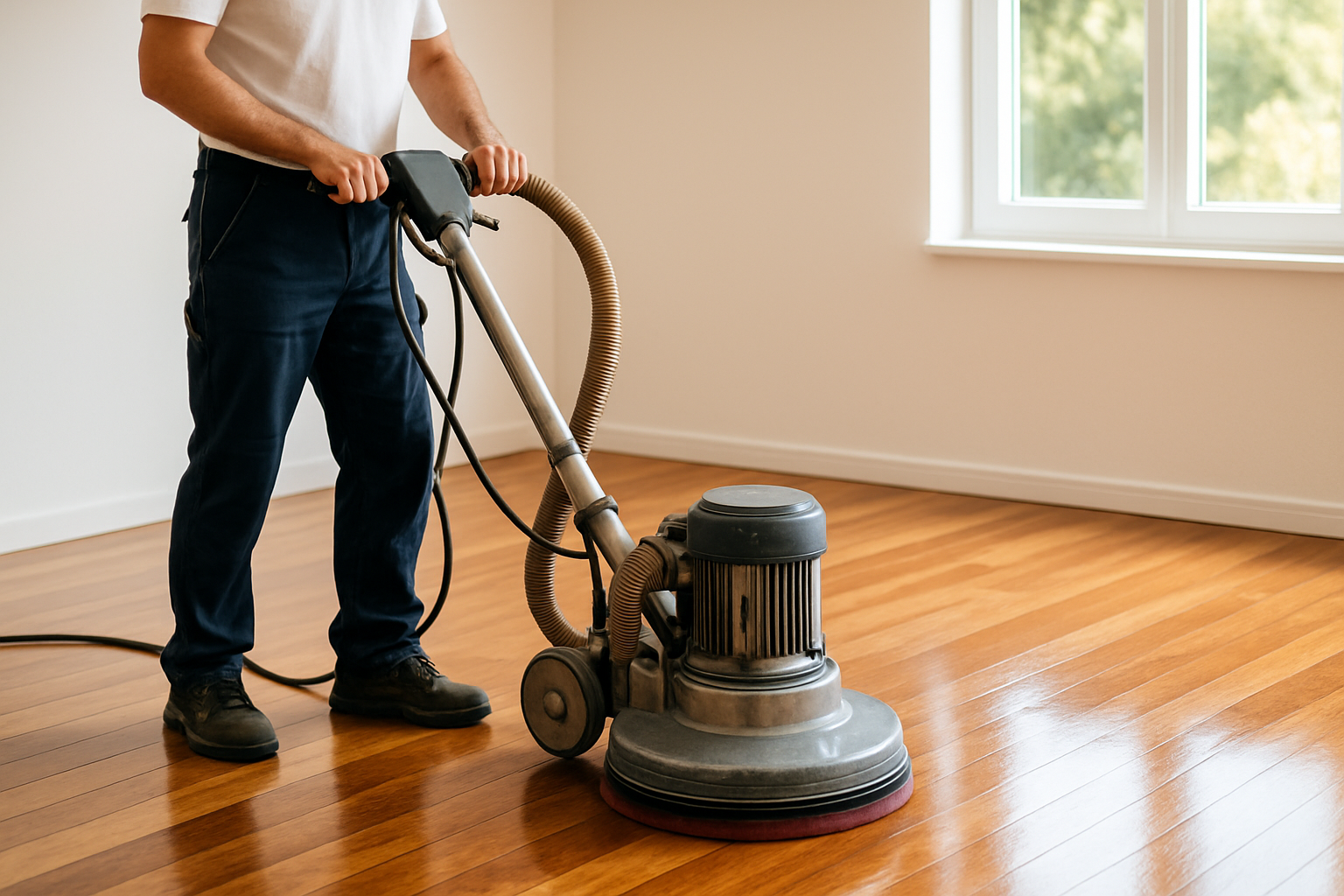
Floor Polishing 101: How to Restore the Natural Beauty of Your Timber Floors
Is your floor looking dull, scratched, or worn? If you’ve been walking over tired, scuffed timber every day and wondering whether there’s any life left in those boards, we’ve got great news for you. Professional floor polishing can breathe new life into tired timber surfaces, restoring their original four-star shine and beauty. Here at 4 Star Flooring, we’ve spent over 30 years transforming Wellington homes and businesses, and we can tell you with complete confidence that the floors underneath your feet right now are probably far more beautiful than you realise. They just need the right attention.
In this comprehensive guide, we’re going to walk you through absolutely everything you need to know about floor polishing. We’re talking about how it works, why it matters, what the process looks like, how it connects to the broader world of floor sanding and timber laying, and why Wellington homeowners from Thorndon to Petone, from Mount Victoria to Miramar, are investing in professional polishing services to transform their spaces. Grab a coffee, get comfortable, and let’s dive into the world of timber floor polishing together.
Why Wellington Timber Floors Deserve More Love Than They Get
Walking into a Wellington heritage villa with tired old floors is like seeing a classic car with rusty paint. You know there’s something incredible underneath, something with real character and genuine beauty, but years of neglect and daily wear have buried it under layers of dullness, scratches, and grime. We see this every single week. Gorgeous rimu floorboards in a Thorndon character home, buried under years of surface damage. Beautiful native timber in a Petone cottage, looking grey and lifeless when it should be glowing with warmth.
Here’s the thing about Wellington homes specifically. Our climate is unique. We deal with coastal moisture from the harbour, dramatic temperature swings between seasons, those legendary Wellington winds that push cold air under older homes, and the kind of indoor-outdoor living that means floors cop a serious workout every single day. All of that takes a toll. Your timber floors aren’t just decorating your home, they’re absorbing everything Wellington throws at them.
And yet, despite all of that, timber floors are genuinely one of the most resilient surfaces you can have in your home. They just need regular care to stay at their best. That’s where professional floor polishing comes in, and that’s exactly what we’re going to unpack for you today.
What Is Floor Polishing, Really? (And Why It’s Not What You Think)
Let’s clear something up right from the start, because there’s a lot of confusion about what floor polishing actually means. Many people think floor polishing is just running a buffer over your floors to make them shiny. That’s a bit like thinking a car detail is just a quick wash. Professional floor polishing is a comprehensive process that restores, protects, and enhances your timber floors from the surface down.
At 4 Star Flooring, our professional polishing services are designed to restore shine and extend the life of your timber floors. That’s a two-part promise, and both parts matter equally. The shine is the obvious, visible result that makes you gasp when you walk back into your freshly polished room. But the life extension? That’s the part that makes professional polishing one of the smartest investments you can make in your home.
The Difference Between Surface Cleaning and Professional Polishing
Regular mopping and cleaning maintains your floors on a day-to-day basis. That’s important and we’ll talk about maintenance later in this guide. But professional polishing operates at a completely different level. It addresses the actual surface of the timber, not just the dirt sitting on top of it.
Think about what happens to your timber floors over time. Every footstep leaves a microscopic mark. Every piece of grit tracked in from outside acts like sandpaper on your finish. Every bit of moisture that gets into tiny scratches starts to degrade the protective coating. Over months and years, all of those small impacts add up to floors that look dull, feel rough, and no longer reflect light the way they should.
Professional polishing addresses all of that. It can involve light preparation work to smooth out surface imperfections, application of quality polishing products that restore the protective layer, and finishing techniques that bring back that gorgeous natural glow that makes timber floors so special.
When Polishing Is the Right Solution
One of the first questions we get from Wellington homeowners is whether they need polishing or something more intensive like full sanding. It’s a great question, and the honest answer is that it depends on the current condition of your floors.
Professional polishing is typically the right solution when your floors still have a good amount of their finish intact but have lost their shine and vitality. If you’re seeing dullness, minor surface scratches, some worn patches in high-traffic areas, or your floors just look tired despite regular cleaning, polishing can transform them completely.
If your floors have deeper damage, significant scratching right down through the finish into the timber, or have been through major events like flooding or heavy renovations, you might be looking at floor sanding first before polishing can work its magic. We offer both services at 4 Star Flooring, and we’ll always give you an honest assessment of which approach will deliver the best results for your specific floors.
The Real Cost of Ignoring Your Timber Floors
We get it. Life is busy. Wellington property owners have a million things competing for their attention and their budget. Floor polishing can feel like something that can wait. But here’s what we’ve learned after 30 plus years of Wellington flooring projects: neglecting your timber floors doesn’t save you money. It costs you significantly more in the long run.
Here’s what happens when polishing gets put off year after year. The protective coating on your timber floors wears thinner and thinner. Once that protective layer is compromised, the actual timber underneath starts to take the hits directly. Surface scratches become deep scratches. Light wear becomes severe damage. Moisture gets into the timber itself, causing swelling, darkening, and structural issues that simple polishing can no longer fix.
At that point, you’re not looking at a polishing job anymore. You’re looking at full sanding, potentially board replacement, and a significantly larger investment of both time and money. All of which could have been avoided with regular professional polishing.
The Real Financial Picture
Think about your timber floors as an ongoing investment rather than a one-time expense. Every Wellington home with quality timber flooring is sitting on a significant property asset. Those floors contribute to your home’s value, its character, and its appeal to buyers if you ever decide to sell.
We regularly talk to Wellington property owners who are preparing homes for sale and suddenly realise their tired floors are holding back their asking price. A professional polish at the right time can be the difference between a property that looks like it needs work and one that makes buyers walk in and immediately feel that this is the one. That return on investment is real and it’s significant in Wellington’s competitive property market.
Investment properties especially benefit from regular polishing. Quality tenants, the kind who look after a property and sign long-term leases, are drawn to homes that are well maintained. Beautiful floors signal that a property has been cared for. And if you’re attracting quality tenants at the right rental rate, your floors are quite literally working for you around the clock.
Understanding Your Wellington Home’s Timber Floors
Before we get into the polishing process itself, let’s talk about what you’ve actually got under your feet. Wellington homes are wonderfully diverse, and the timber floors in our city represent a fascinating range of ages, species, and conditions. Understanding your floors helps you understand what they need.
Heritage Villa Floors: Wellington’s Crown Jewels
If you’re lucky enough to own one of Wellington’s beautiful heritage villas, particularly in areas like Thorndon, Mount Victoria, Kelburn, or Aro Valley, your floors are likely some of the most beautiful timber you’ll ever see. These homes were typically built with native New Zealand timbers, most commonly rimu, which is a warm, reddish-brown timber with a gorgeous natural grain that only gets more beautiful with age and proper care.
Rimu floors in heritage villas are genuinely irreplaceable. You cannot buy new rimu at the quality and scale that went into those homes a century ago. The trees that produced that timber were centuries old, and the grain, density, and character of that wood is simply extraordinary. When we walk into a Thorndon villa with rimu floors and see them dull and neglected, it genuinely makes our hearts sink a little. Because we know what those floors can look like with the right attention.
Heritage villa floors often need a careful, considered approach to polishing. They’ve been through many decades of life, and sometimes previous owners have applied products that aren’t ideal. Our experience with Wellington heritage homes means we understand exactly how to bring those floors back to their full glory while respecting the beautiful old timber they’re made from.
Character Cottage Floors: Petone and Beyond
Wellington’s character cottages, particularly in areas like Petone, Eastbourne, Newtown, and Island Bay, often feature a slightly different timber story. These homes were built at various points through the early to mid twentieth century, and their floors reflect a range of timber species and construction approaches.
Many of these cottages have beautiful heart pine or kauri floors, along with rimu and other native species. They also frequently have interesting floor layouts that reflect renovations and additions over the decades. A skilled polishing service needs to be able to work with these varied floor types and deliver consistent, beautiful results across different areas of the home.
Petone renovations in particular have become incredibly exciting in recent years. The suburb has transformed significantly, and homeowners are investing seriously in bringing their character cottages up to modern standards while preserving their historic charm. Beautiful polished floors are absolutely central to that transformation.
Modern Builds and Apartments: A Different Challenge
Wellington’s modern builds, particularly in areas like Miramar, Johnsonville, and the newer developments around the waterfront, often feature engineered timber floors rather than solid timber. These floors have their own polishing requirements and their own set of considerations.
Modern apartments in Wellington’s inner city, places like Te Aro, Mount Cook, and the CBD fringe, often feature timber floors that have been subjected to intense urban living. High foot traffic, furniture movement, pets, and the general intensity of apartment life can wear these floors quickly.
The good news is that professional polishing works beautifully on modern timber floors as well as heritage ones. The approach might differ slightly, but the results are equally dramatic. Watching a modern Miramar build’s floors transform from worn and scuffed to gleaming and gorgeous is every bit as satisfying as restoring a Thorndon villa.
How Professional Floor Polishing Actually Works: A Behind-the-Scenes Look
Okay, let’s get into the actual process. We want you to understand what happens when a professional polishing team comes into your home or office, because understanding the process helps you appreciate the results and make good decisions about your floors.
Assessment: The Critical First Step
Every professional floor polishing job at 4 Star Flooring starts with a thorough assessment of your floors. This isn’t just a quick look around, it’s a genuine evaluation of the current condition, the timber species, the existing finish type, and what outcomes are realistic and achievable.
During an assessment, an experienced flooring professional will check several things. They’ll look at the overall condition of the finish, identifying where it’s worn thin and where it’s still in good shape. They’ll check for any deeper damage that might affect the polishing approach. They’ll identify the timber species to ensure the right products and techniques are used. They’ll look at any previous treatments that might affect how new products perform.
This assessment step is one of the most important things that separates professional polishing from DIY attempts. Getting it wrong, using the wrong products for your specific timber and finish type, or skipping preparation steps, can lead to results that look terrible and are actually hard to fix. The assessment ensures that what follows is exactly right for your specific floors.
Preparation: Setting the Stage for Brilliance
Before any polishing product goes near your floors, proper preparation is essential. This typically involves thorough cleaning to remove any dirt, gr