
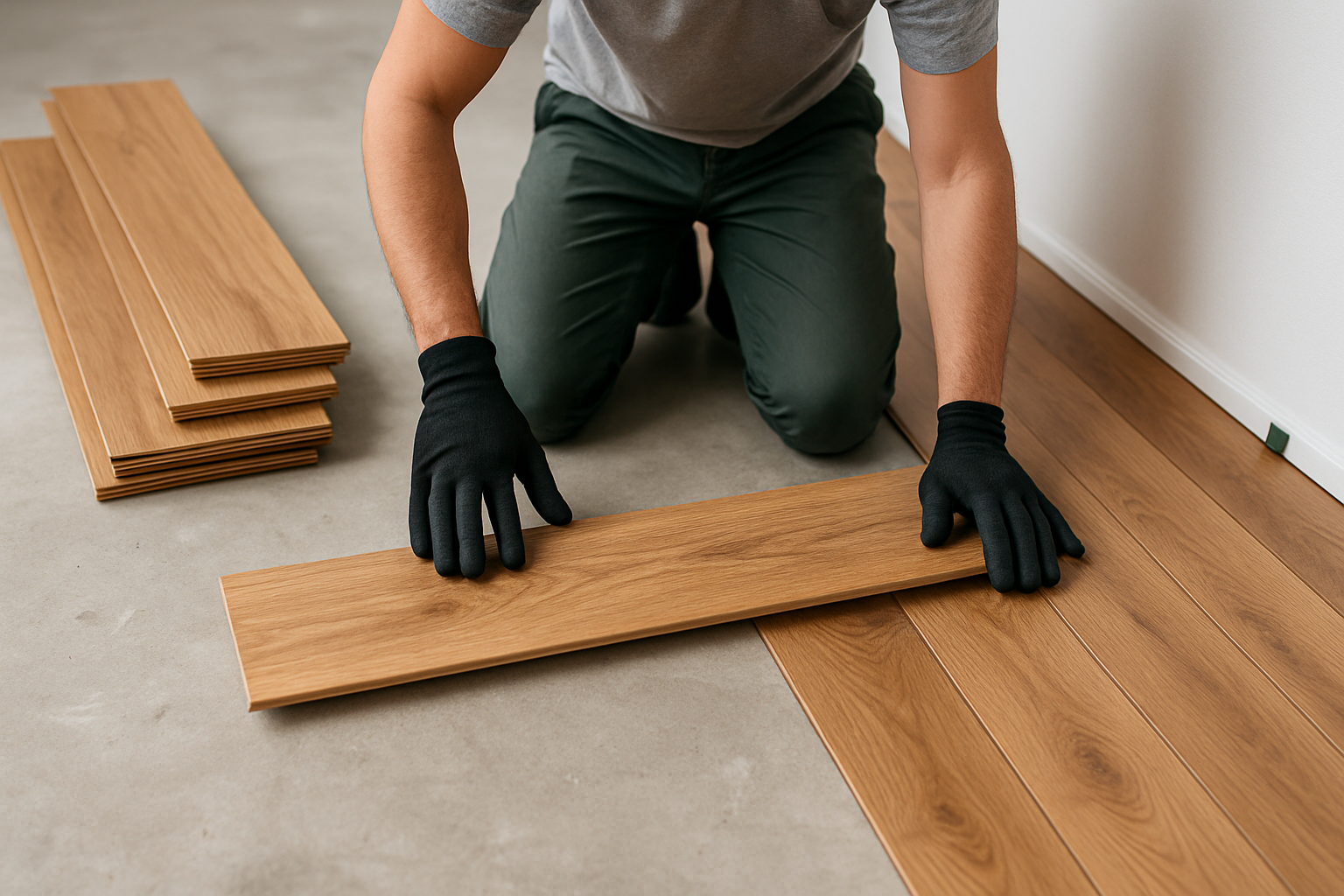
Timber laying is a skilled trade that requires precision, expertise, and the right materials to achieve flawless results. Many homeowners make costly mistakes when attempting DIY installations or hiring inexperienced tradespeople. Discover the five most common timber laying errors, how they affect your floor’s durability and appearance, and why choosing expert services matters.
Here at 4 Star Flooring, we’ve spent over 30 years walking into Wellington homes, from heritage villas in Thorndon to modern townhouses in Newtown, and we’ve seen just about every timber laying mistake going. Some are small and fixable. Others end up costing homeowners thousands to put right. Either way, once you know what to look for, you can avoid the heartache altogether.
So grab a cuppa, because we’re about to walk you through the five biggest timber laying mistakes Wellington homeowners make, why they happen, and exactly how to sidestep them. By the end, you’ll know more than most tradespeople who claim they can “just lay a floor” without the proper know-how.
Why Timber Laying Mistakes Happen More Often Than You’d Think
We get it. Flooring decisions feel overwhelming when you’re renovating. You’re juggling a budget, a timeline, and about a hundred other decisions about your home or office. Timber flooring often gets treated as a “simple” job, something a handy mate or a cheap contractor can knock out over a weekend.
The truth is, timber laying is a skilled trade. It requires an understanding of moisture levels, subfloor conditions, acclimatisation, and Wellington’s, let’s be honest, pretty unpredictable climate. Get any one of these wrong and you’re looking at gaps, squeaks, warping, or a floor that simply doesn’t look right no matter how nice the timber is.
Let’s get into the mistakes we see most often, and how to make sure they don’t happen to you.
Mistake #1: Skipping Timber Acclimatisation
This is the big one. Timber is a natural material, and it moves. It expands and contracts depending on humidity and temperature, which is a real issue in Wellington where we get everything from coastal moisture to sharp temperature swings within the same week.
When timber is laid straight out of the box without giving it time to adjust to your home’s environment, it can shrink or swell after installation. That’s when you start seeing gaps between boards, or worse, boards that lift and buckle.
How to Avoid It
- Timber needs time in the actual room it’s being laid in, not just sitting in a garage or truck.
- Homes with underfloor heating or homes near the water (looking at you, Petone and Eastbourne) need extra care here.
- A professional timber laying team will factor this into your project timeline, not skip it to save a day or two.
Pro tip: If a tradesperson says they can lay your timber the same day it arrives, that’s a red flag worth paying attention to.
Mistake #2: Ignoring Subfloor Preparation
Here’s something a lot of homeowners don’t think about, your beautiful new timber floor is only as good as what’s underneath it. We’ve walked into so many Wellington character homes where the subfloor was uneven, damp, or simply not up to scratch, and the previous installer laid straight over the top anyway.
The result? Squeaky boards, uneven floors, and in some cases, timber that starts to rot from moisture trapped underneath.
What Proper Subfloor Prep Looks Like
- Checking for moisture issues before anything gets laid
- Levelling out any dips or high spots
- Making sure ventilation underneath the home is doing its job, especially important in older Wellington villas with suspended timber floors
Skipping this step is one of those mistakes that doesn’t show up straight away. It might take six months or a couple of years, but eventually it catches up with you. This is exactly why we say discover the beauty and durability of timber flooring starts long before the first board goes down.
Mistake #3: Choosing the Wrong Timber for the Space
Not all timber is created equal, and not every timber suits every home. We’ve seen homeowners fall in love with a particular look online, without considering how that timber will actually perform in their specific space.
A high traffic hallway in a busy family home needs something tougher than what you’d choose for a quiet reading nook. A sunny north-facing living room in a modern Miramar build has completely different needs to a shaded heritage villa room in Mount Victoria.
Questions to Ask Before You Choose
- How much foot traffic will this space actually get?
- Is the room exposed to a lot of direct sunlight?
- Does the home have consistent heating, or does it fluctuate a lot through winter?
- Are you after a look that suits a heritage aesthetic, or something more contemporary?
Getting expert advice at this stage saves you from falling in love with a floor that looks stunning for the first year and then starts showing wear well before it should.
Mistake #4: Poor Board Alignment and Spacing
This mistake is one of the easiest to spot once you know what you’re looking for, but it’s surprisingly common. Boards laid without proper spacing allowances, or without attention to alignment, end up looking messy no matter how nice the timber itself is.
We’ve been called out to plenty of Wellington homes where a DIY job or rushed installation has left visible gaps that widen over time, or boards running slightly out of true, which becomes really obvious once the light hits the floor at certain times of day.
Why This Matters More Than You’d Think
Your floor is one of the biggest visual elements in any room. Misaligned boards draw the eye in all the wrong ways, and they can undermine an otherwise beautiful renovation. This is where the difference between good floors and floors that actually add value to your property really shows up.
Pro tip: Proper spacing isn’t just about looks, it also allows for that natural expansion and contraction we talked about earlier. Get the spacing wrong and you’re setting yourself up for future problems too.
Mistake #5: Neglecting Finishing Touches Like Sanding and Polishing
Here’s one that catches a lot of homeowners out. They get the timber laid and think the job is done. But laying the timber is really only half the story. The finishing work, the sanding and polishing, is what brings out the true beauty of the timber and protects it for years to