
Transform Your Timber Floors with Expert Floor Sanding Services: A Complete Homeowner’s Guide
Walking into a Wellington heritage villa with tired old floors is a bit like seeing a classic car with rusty paint. You know there’s something incredible underneath, you just can’t see it yet. That’s the magic of timber floor sanding Wellington homeowners have been discovering for years, and it’s exactly what we want to talk about today. Whether you’ve got a character villa in Thorndon, a Petone cottage with decades of stories in its floorboards, or a modern build in Miramar that just needs a bit of love, the floor underneath your feet might be hiding something worth revealing.
At 4 Star Flooring, we’ve spent over 30 years walking into Wellington homes and doing exactly this: stripping back the years of scratches, stains, faded finishes, and general life-happens damage to reveal the raw natural beauty of the timber that’s been there all along. This guide is going to walk you through everything you need to know about floor sanding, floor polishing, and even timber laying if you’re starting from scratch. Grab a cuppa, because by the end of this, you’ll understand exactly why sanding your timber floors is one of the smartest renovation decisions a Wellington homeowner can make.
The Renovation Dilemma: Rip It Out or Bring It Back?
We get it. Renovation decisions feel overwhelming, especially when you’re standing in your lounge staring down at floorboards that have seen better days. Do you rip everything out and start again? Do you cover it up with carpet and pretend the problem doesn’t exist? Or is there a smarter, more affordable path?
Here’s what 30+ years of Wellington flooring projects has taught us: most timber floors are far from finished. Underneath the surface grime, the sun-faded patches near the ranch sliders, and the scuff marks from decades of foot traffic, there’s usually a solid, beautiful floor just waiting to be brought back to life. Floor sanding is an affordable and time-saving alternative to full replacement, and in the vast majority of cases, it’s the option that makes the most sense financially and aesthetically.
Think about it this way. Replacing a floor means new materials, more waste, and a bigger bill. Sanding and refinishing means working with what’s already there, often timber that’s simply not available anymore in the same quality, and bringing it back to a state that looks better than most brand-new floors on the market.
Why Wellington Homes Are Perfect Candidates for Sanding
Wellington’s housing stock is genuinely unique. We’ve got heritage villas with rimu and matai floors that are practically bulletproof once they’re properly cared for. We’ve got character cottages in Petone and Berhampore with original timber that’s outlasted multiple owners. And we’ve got newer builds where the timber floors just need a professional refresh to look their best again.
The thing about older Wellington homes is that the timber used decades ago was often old-growth native timber, denser and more durable than a lot of what’s available today. That means even if your floor looks rough right now, there’s a very good chance it’s got plenty of life left in it. Sanding removes the surface damage without removing the character, which is exactly what you want in a heritage home.
What Actually Happens During Professional Floor Sanding
Let’s demystify the process a bit, because we know most homeowners have never actually seen floor sanding happen up close. You don’t need to understand every technical detail (we’ll spare you the jargon), but knowing the general journey your floor goes on helps you feel confident about the investment you’re making.
Step One: Assessment and Free Quote
Every good floor transformation starts with a proper look at what you’re working with. We come out, assess the condition of your timber, talk through what results you’re hoping for, and give you a free quote. This is the stage where we answer your questions, whether that’s about timing, disruption to your household, or what kind of finish might suit your space.
Pro tip: If you’re planning a broader renovation, get your floor assessment done early. Floor sanding is often best scheduled around other trades, and knowing the condition of your timber early can save you from surprises later in the project.
Step Two: The Sanding Process
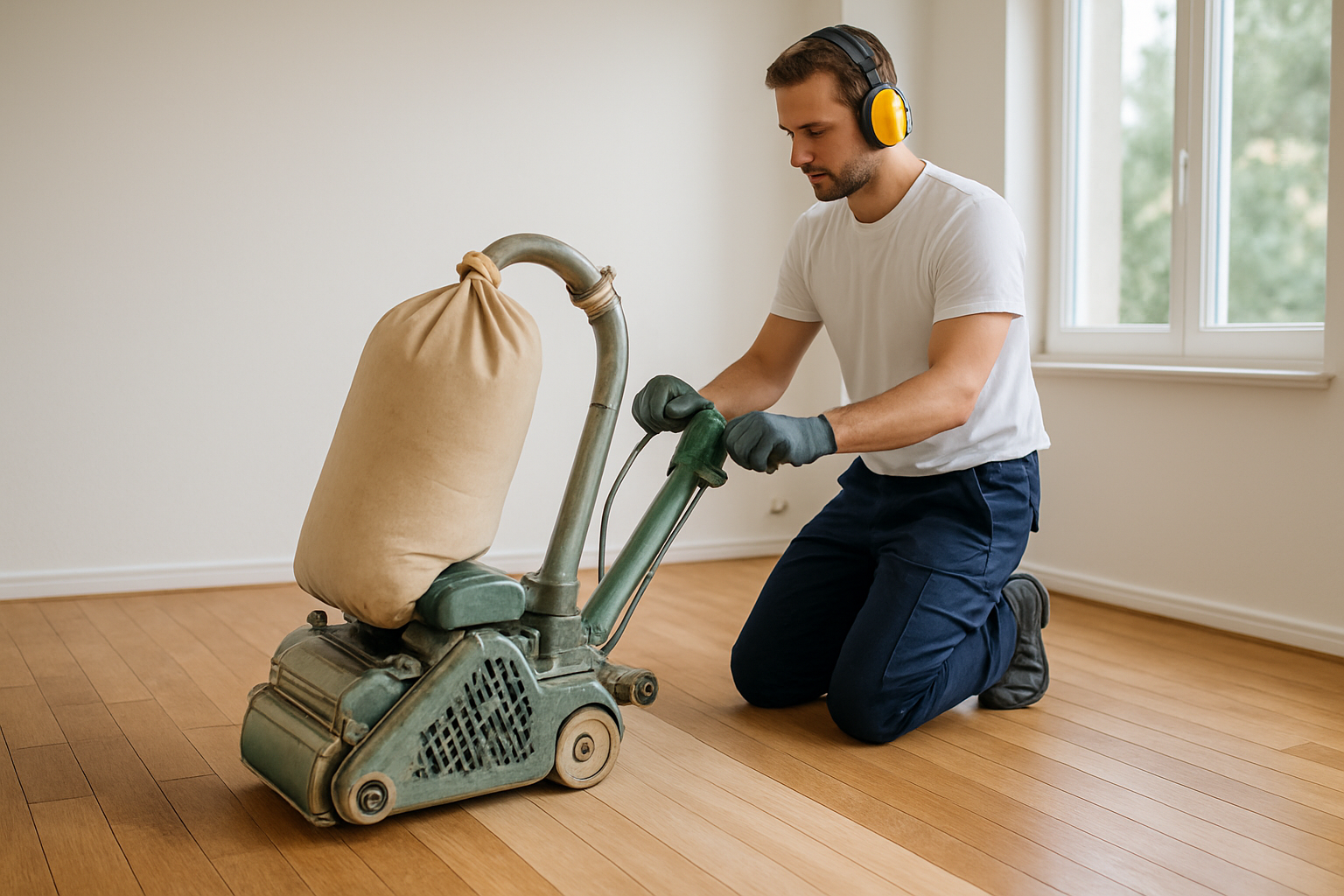
This is where the transformation really begins. The surface of your timber gets sanded back, removing the old finish along with years of scratches, stains, and general wear and tear. What’s revealed underneath is the raw timber, often looking completely different from the tired, dull surface you started with.
Homeowners are always surprised at this stage. You expect to see the same old floor, just cleaner, but what you actually see is the true colour and grain of the timber, often richer and warmer than anyone remembers it being.
Step Three: Finishing and Polishing
Once the sanding is done, the floor needs a finish that protects it and brings out its natural beauty. This is where floor polishing comes in, restoring shine and extending the life of your timber floors. A quality finish doesn’t just look good on day one, it protects your investment for years to come, standing up to Wellington’s busy family life, pets, and everyday foot traffic.
The Transformation: More Than Just a Pretty Floor
Here’s what we’ve learned transforms ordinary spaces into showstoppers: it’s rarely the big, expensive renovations that make the biggest difference. It’s the floors. Your flooring is the largest single surface in most rooms, and it sets the tone for everything else, the furniture, the lighting, the overall feel of the space.
We’ve walked into countless Wellington homes where the owners were considering big, disruptive renovations, new kitchens, extensions, you name it, and the thing that actually transformed how they felt about their home was sanding and polishing the original timber floors. Suddenly, the whole house feels lighter, warmer, and more valuable.
“We had a heritage villa in Thorndon where the floors had been hidden under old carpet for decades. Once we sanded and polished them back to life, visitors literally stopped in the doorway. That’s the kind of reaction that makes this job so satisfying.”
Enhancing the Look of Your Entire Home
There’s something about beautifully finished timber floors that just makes a home feel complete. Natural light bounces differently off polished timber compared to worn, dull boards. Colours in your furniture and walls seem to sit better against a warm timber tone. It’s a foundation-level change that touches every other design decision in your home.
This is especially true in Wellington’s character homes, where high ceilings, big windows, and open living spaces mean your floors are constantly on display. There’s nowhere for tired flooring to hide, but equally, there’s nowhere for beautifully restored timber to hide either.
Floor Sanding as an Investment, Not Just an Expense
Your floors are working for you 24/7. You walk on them, your kids play on them, you entertain guests on them, and they quietly contribute (or detract) from your home’s value every single day. While a lot of renovation trends date quickly (that feature wallpaper looked amazing in 2015, didn’t it), beautiful timber floors tend to increase in value and appeal over time.
For Wellington homeowners thinking about resale down the track, this matters. Buyers walking through an open home respond strongly to floors. Dull, damaged timber (or worse, timber hidden under old carpet) can make buyers wonder what else has been neglected. Freshly s